

Imagine waking up to the rich, intoxicating aroma of freshly brewed coffee, a scent that promises a moment of pure, unadulterated pleasure. For many coffee enthusiasts, that promise is fulfilled daily by the humble yet mighty french press coffee maker.
This classic brewing device, known by various names such as coffee press, coffee plunger, or cafetière, offers a simplicity that belies its ability to produce an incredibly full-bodied and aromatic cup.
In an age of automated espresso machines and complex pour-over setups, the french press stands as a timeless testament to direct immersion brewing, connecting you directly to the essence of your coffee beans.
If you’ve ever yearned for a coffee experience that emphasizes texture, depth, and clarity of flavor, understanding the art of the french press is your next great adventure in coffee crafting in 2025.
Key Takeaways
- Full-Bodied Flavor: The french press coffee maker allows all coffee oils and fines to remain in the brew, resulting in a rich, full-bodied cup with complex flavors.
- Simple Immersion Brewing: It operates on a direct immersion principle, where coffee grounds steep completely in hot water before being separated by a plunger.
- Optimal Grind is Crucial: A coarse, consistent grind is essential to prevent over-extraction and excessive sediment in your cup.
- Versatile and Affordable: French presses are available in various materials and sizes, generally more affordable than many other brewing methods, and highly portable.
- Cleaning is Key: Regular and thorough cleaning is vital to maintain flavor integrity and the longevity of your device.
The Enduring Allure of the french press coffee maker: A Journey Through History and Design
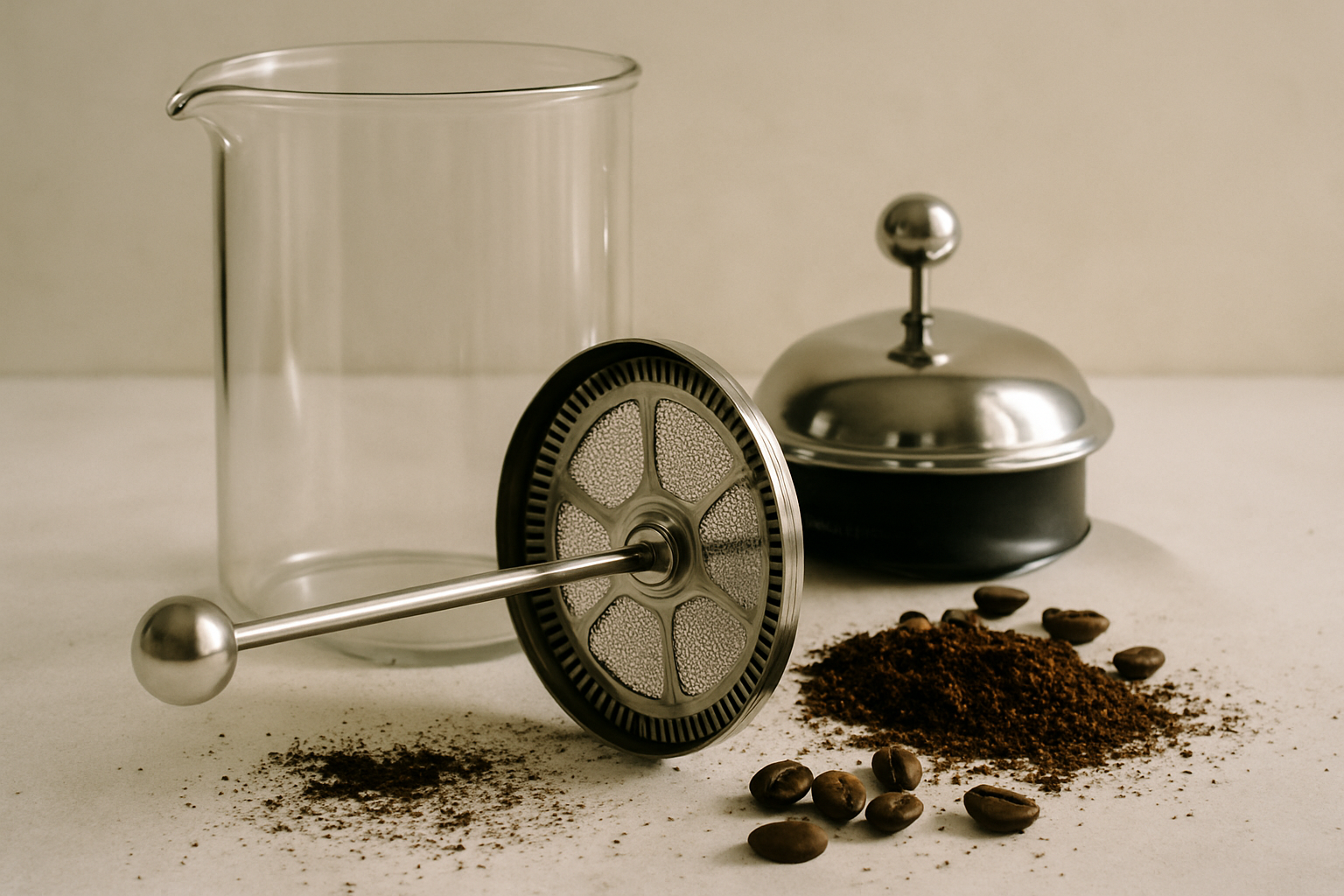
The story of the french press coffee maker is one of fascinating evolution and simple ingenuity. While its exact origins are debated, patents for designs similar to what we recognize today emerged in France in 1852 by Mayer and Delforge, and later refined in Italy by Attilio Calimani in 1929 and further by Faliero Bondanini, who patented his version in 1958. This latter design, often associated with the Danish company Bodum, truly popularized the device globally.
What makes the french press so captivating? Its charm lies in its elegant simplicity and the directness of its brewing method. Unlike drip coffee makers that filter water through grounds, or espresso machines that force pressurized water, the french press coffee maker uses a method called full immersion. This means the coffee grounds are completely submerged in hot water for a set period, allowing for maximum extraction of flavors and aromatic oils. The result is a cup of coffee renowned for its rich texture, deep body, and a distinct flavor profile that many coffee lovers adore.
“The french press is more than just a coffee maker; it’s a ritual, a quiet moment of anticipation before that first glorious sip.”
The design itself is iconic: a cylindrical carafe, typically made of heat-resistant glass, stainless steel, or ceramic, and a plunger with a built-in mesh filter screen. This filter is designed to separate the brewed coffee from the grounds, pushing them to the bottom of the carafe while leaving the liquid coffee above. The minimalist aesthetics often make it a stylish addition to any kitchen, from modern minimalist to rustic farmhouse.
Over the decades, the fundamental design has remained largely unchanged, a testament to its effectiveness. While materials and minor ergonomic improvements have been introduced, the core principle of immersion brewing followed by manual pressing has endured. This timeless appeal ensures the french press coffee maker remains a staple in kitchens worldwide in 2025. For those looking to understand the core principles of web success, even in seemingly unrelated fields, exploring resources like 16 Benefits Fitness Advantage Of Espresso Drinking can offer unexpected insights into captivating an audience.
The Art of Brewing: A Step-by-Step Guide to Your french press coffee maker
Brewing with a french press coffee maker is often described as an art, but it’s an art form accessible to everyone. With a few simple steps and a little practice, you can consistently produce an exceptional cup of coffee.
Here’s a detailed guide to unlocking the full potential of your coffee press:
- Heat Your Water:
- Start with filtered water for the best taste.
- Heat the water to just off the boil – ideally between 195°F and 205°F (90°C to 96°C). Using boiling water can scorch your coffee, leading to a bitter taste. If you don’t have a thermometer, bring the water to a boil and let it sit for about 30 seconds to a minute before pouring.
- Grind Your Beans (Crucial Step!):
- This is perhaps the most critical step for a french press coffee maker. You need a coarse, consistent grind.
- Think of sea salt or breadcrumbs. If the grind is too fine (like for espresso or drip coffee), it will pass through the mesh filter, resulting in a muddy cup and over-extraction (bitterness). If it’s too coarse, the coffee might be under-extracted and weak.
- A burr grinder is highly recommended for consistency. Avoid blade grinders if possible, as they produce an inconsistent mix of fine and coarse particles.
- Pre-warm Your French Press:
- Pour a small amount of hot water into the empty carafe of your french press and swirl it around. This prevents the brewing water from cooling down too quickly when it hits a cold container, ensuring a more stable brewing temperature. Discard the water.
- Add Your Coffee Grounds:
- The general coffee-to-water ratio is about 1:15 to 1:17. This means for every 1 gram of coffee, use 15 to 17 grams of water. A good starting point is usually 1 tablespoon (approximately 7-8 grams) of coffee for every 4 ounces (120 ml) of water, or roughly 2 tablespoons for an 8-ounce cup.
- For a standard 34-ounce (1-liter) french press, this translates to about 55-60 grams of coffee. Using a kitchen scale for precision will drastically improve consistency.
- Pour the Hot Water:
- Gently and evenly pour about half of your hot water over the coffee grounds, ensuring all grounds are saturated.
- Bloom (Optional but Recommended): Let it sit for about 30 seconds. This allows the coffee to release trapped gases (carbon dioxide), a process called “blooming,” which leads to a more even extraction and richer flavor. You’ll see the grounds puff up.
- Stir (Gently):
- After the bloom, give the coffee a gentle stir with a non-metal spoon (metal can scratch glass carafes). This ensures all grounds are fully immersed and extracting evenly.
- Add Remaining Water and Steep:
- Pour in the rest of your hot water.
- Place the lid on the french press, with the plunger raised, but do not press down yet.
- Let the coffee steep for 4 minutes. This is the standard recommended time, offering a good balance of flavor and strength. Some prefer slightly longer (up to 5 minutes) for a stronger brew, or shorter (3 minutes) for a lighter one. Experiment to find your preference!
- Press the Plunger:
- Once steeping is complete, slowly and steadily press the plunger straight down. It should offer a slight resistance. If it presses too easily, your grind might be too coarse. If it’s very hard to press, your grind might be too fine.
- Pressing too quickly can agitate the grounds, pushing fines through the filter and creating a muddy cup. Aim for a smooth, consistent push over 20-30 seconds.
- Serve Immediately:
- As soon as you’ve pressed, pour all the coffee into your mug(s).
- Important Tip: Do not leave brewed coffee in the french press with the grounds, even after pressing. The coffee will continue to extract, becoming bitter and over-extracted. If you have extra, pour it into a pre-heated thermos.
By following these steps, your french press coffee maker will deliver a consistently delicious and satisfying cup every time.
French Press vs. Other Brewing Methods: A Comparative Look
The world of coffee brewing is vast, with methods ranging from the quick and convenient to the highly ritualistic. Each method offers a unique experience, and the french press coffee maker holds a distinct place. Let’s compare it to some popular alternatives:
| Feature | French Press Coffee Maker | Drip Coffee Maker | Pour Over Coffee | Espresso Machine |
|---|---|---|---|---|
| Brewing Method | Full Immersion | Automatic Drip | Manual Pour-Over (Percolation) | Pressure Extraction |
| Body/Texture | Full-bodied, rich, velvety (unfiltered oils) | Medium body, cleaner | Light to medium body, clean, bright | Very full-bodied, crema |
| Clarity | Lower, some sediment possible | High, very clean | High, very clean | High |
| Flavor Profile | Robust, complex, earthy, deep | Balanced, consistent, often milder | Bright, nuanced, highlights origin flavors | Intense, concentrated, strong flavor, distinct crema |
| Grind Size | Coarse | Medium | Medium-fine | Very Fine |
| Brew Time | 4-5 minutes (plus prep) | 5-10 minutes (depending on volume) | 3-5 minutes (highly manual) | 20-30 seconds (for a shot) |
| Ease of Use | Simple, manual | Very easy, automatic | Moderate, requires technique | Can be complex, requires practice and maintenance |
| Cleaning | Moderate (grounds disposal, mesh filter) | Easy (filter basket, carafe) | Easy (filter cone, carafe) | Can be complex (group head, milk frother, backflushing) |
| Cost | Low to Moderate | Low to High | Low (device) to Moderate (accessories) | High |
The key differentiator for the french press coffee maker is its unfiltered nature. Unlike paper filters used in drip or pour-over methods, the mesh filter of the french press allows the natural oils and very fine coffee particles (fines) to pass into your cup.
These oils are packed with flavor compounds, contributing to the characteristic rich body and deeper, more complex taste. While this means you might find a bit of “sludge” or sediment at the bottom of your cup – a hallmark for some, a nuisance for others – it’s a small trade-off for the depth of flavor achieved.
For businesses looking to optimize their online presence and reach a wider audience, understanding how different strategies yield unique results is key, much like different brewing methods. You might find valuable comparisons in articles about The 1 Best Fix Keurig Coffee Pot [Good Review And Prices]
Ultimately, the best brewing method depends on personal preference. If you crave a clean, bright cup, pour-over might be your go-to. If convenience is king, a drip machine wins. But for those who appreciate a bold, full-bodied coffee experience with minimal fuss, the french press coffee maker remains an unparalleled choice.
Choosing Your Perfect french press coffee maker: Materials, Size, and Features
The market for french press coffee makers is diverse, offering a range of options to suit every preference and budget. When selecting your ideal coffee press, consider the following factors:
1. Material
- Glass: The most common and classic choice. It allows you to visually monitor the brewing process, which can be satisfying. Borosilicate glass is heat-resistant and durable, but still susceptible to breaking if dropped.
- Stainless Steel: Offers superior durability and insulation, keeping your coffee hot for longer. Many models are double-walled, providing even better heat retention. Stainless steel is virtually indestructible, making it great for travel or outdoor use. However, you can’t see the brew process.
- Ceramic: Aesthetically pleasing and can retain heat well. Ceramic presses are often heavier and more fragile than stainless steel, but offer a unique, artisanal look.
- Plastic (BPA-free): Usually the most affordable and durable option, great for camping or travel. Less common for everyday home use due to potential taste retention and heat retention issues compared to other materials.
2. Size
French presses come in various capacities, typically measured in ounces or cups. Common sizes include:
- Personal (12-16 oz / 1-2 cups): Perfect for a single serving or for those who don’t drink much coffee.
- Standard (34 oz / 8 cups): The most popular size, ideal for 2-4 coffee drinkers or for making multiple cups for one person.
- Large (48 oz+ / 12 cups+): Great for entertaining or for larger households.
When considering size, remember that “cup” measurements for coffee makers often refer to smaller servings (e.g., 4 oz), not standard mug sizes. Always check the total fluid ounce capacity.
3. Filter Quality
The quality of the mesh filter is crucial for a clean cup. Look for:
- Fine Mesh: A tightly woven, fine mesh will do a better job of filtering out grounds, reducing sediment.
- Tight Fit: The filter should fit snugly against the inside of the carafe to prevent grounds from bypassing the filter during the press.
- Multi-layered Filters: Some presses feature multiple mesh screens or a combination of mesh and spring-loaded plates for enhanced filtration.
4. Additional Features
- Double-walled Insulation: As mentioned, fantastic for keeping coffee hot. A must-have for stainless steel models.
- Ergonomic Handle: A comfortable, heat-resistant handle is important for safe pouring.
- Material of Frame/Handle: Ensure the frame and handle are sturdy and well-attached, especially if the carafe is glass.
- Travel-Friendly Design: Some french presses are designed specifically for portability, with features like spill-proof lids and durable construction.
- Timers/Thermometers: While not built into the press itself, having these accessories on hand (or a model that integrates them) can significantly improve your brewing consistency.
Choosing the right french press coffee maker for you means balancing durability, aesthetics, capacity, and desired features. For example, a busy professional might prioritize a double-walled stainless steel model for its heat retention and resilience, while a weekend barista might prefer a classic glass model for its visual appeal. Just as selecting the right tools can enhance your digital marketing efforts, exploring resources like How Instant Coffee Health And What Benefits? The Surprising Answer can help you choose the best digital assets.
Troubleshooting Common French Press Issues: Achieving Perfection
Even with the best french press coffee maker, you might encounter some common challenges. Don’t worry, most issues are easily remedied!
Here’s a look at common problems and their solutions:
| Problem | Possible Cause(s) | Solution(s) |
|---|---|---|
| “Muddy” Coffee / Excessive Sediment | 1. Grind is too fine | 1. Use a coarser, more consistent grind (think coarse sea salt). Invest in a good burr grinder. |
| 2. Plunger pressed too quickly/forcefully | 2. Press the plunger slowly and steadily over 20-30 seconds. | |
| 3. Poor filter quality or fit | 3. Inspect your mesh filter for damage. Ensure it fits snugly. Consider replacing the filter or the entire press if it’s consistently letting grounds through. | |
| Bitter Coffee | 1. Over-extraction (too long steep time) | 1. Reduce steep time (try 3.5-4 minutes). |
| 2. Water is too hot | 2. Use water between 195°F and 205°F (90°C-96°C). Let boiling water cool for 30-60 seconds. | |
| 3. Grind is too fine | 3. A finer grind increases surface area, leading to faster extraction and potential bitterness. Coarsen your grind. | |
| 4. Poor quality or stale beans | 4. Use fresh, high-quality beans, ideally roasted within the last few weeks. Store them in an airtight container away from light and heat. | |
| Weak, Under-extracted Coffee | 1. Not enough coffee grounds | 1. Increase your coffee-to-water ratio. Aim for 1:15 to 1:17. Use a scale for accuracy. |
| 2. Water is not hot enough | 2. Ensure water temperature is in the optimal range (195°F-205°F). Pre-heating your french press helps maintain temperature. | |
| 3. Grind is too coarse | 3. A very coarse grind has less surface area for extraction. Try a slightly finer (but still coarse) grind. | |
| 4. Steep time is too short | 4. Increase steep time (try 4 minutes, or up to 5 for stronger brew). | |
| Difficulty Pressing Plunger | 1. Grind is too fine (clogs filter) | 1. This is the most common cause. Coarsen your grind. |
| 2. Filter is clogged with old grounds/oils | 2. Thoroughly clean your filter assembly. Disassemble if possible and scrub with a brush. | |
| Coffee Gets Cold Too Quickly | 1. Cold carafe | 1. Always pre-warm your french press with hot water before brewing. |
| 2. Not insulated | 2. Consider a double-walled stainless steel french press for better heat retention, or transfer brewed coffee to a pre-heated thermos immediately. | |
| Metallic or “Off” Taste | 1. Poor quality water | 1. Use filtered or bottled water. |
| 2. Unclean french press or stale oils on components | 2. Disassemble and thoroughly clean all parts of your french press after every use. Old coffee oils can become rancid and affect taste. Sometimes a deep clean with a mild descaler or baking soda solution is needed. Regularly maintaining your coffee gear, much like keeping your digital tools optimized, is crucial. For insights on top-tier service. |
A little experimentation with grind size, water temperature, and steep time will allow you to dial in your perfect brew using your french press coffee maker. Don’t be afraid to adjust one variable at a time until you achieve your desired flavor profile.
The Ritual of the french press coffee maker: More Than Just a Brew
In our fast-paced world, the french press coffee maker offers something increasingly rare: a moment of mindful ritual. Unlike automatic machines that churn out coffee with the push of a button, the french press invites you to slow down, to engage with the process, and to truly savor the anticipation.
Consider the steps: the rhythmic sound of grinding fresh beans, the gentle swirl of hot water pre-warming the carafe, the mesmerizing “bloom” as gases escape from the grounds, filling the air with an intense coffee aroma. Then comes the patient waiting, watching the clock as the coffee slowly steeps, its color deepening. Finally, the slow, deliberate press of the plunger, a satisfying resistance as the coffee is separated from the grounds. Each step is an opportunity to connect with your coffee, to appreciate the craftsmanship that goes into producing the beans, and to prepare your palate for the rich reward.
This isn’t just about making coffee; it’s about crafting an experience. It’s about taking five minutes out of your morning, your afternoon, or your evening to focus on something simple, yet profoundly satisfying. Many aficionados describe the process as meditative, a small act of self-care that begins the day on a positive, intentional note.
The french press is also incredibly versatile. While primarily known for coffee, it can also be used for:
- Loose Leaf Tea: Simply add tea leaves and hot water, steep, and press. The mesh filter works perfectly for separating tea leaves.
- Cold Brew Coffee: A perfect application for its immersion method. Coarsely ground coffee steeped in cold water for 12-24 hours, then pressed.
- Infused Water or Oils: Create your own flavored waters with fruits and herbs, or infuse oils with spices.
- Frothing Milk: A quick pump of warm milk with the plunger can create a surprisingly decent foam for lattes and cappuccinos.
The sheer simplicity and multi-functionality make the french press coffee maker a beloved tool in many homes. It’s not just a device; it’s an invitation to a more deliberate and enjoyable coffee culture. The tactile experience of brewing with a french press, much like the hands-on approach to Coffee and DIY Home Brewing: Crafting Your Perfect Cup, empowers individuals to craft their desired outcome.
Conclusion: The Enduring Charm of the french press coffee maker
The french press coffee maker stands as a beacon of classic coffee brewing, offering a deeply satisfying experience that appeals to both seasoned connoisseurs and newcomers alike. Its ability to produce a rich, full-bodied cup, celebrated for its robust flavor and velvety texture, has secured its place in the pantheon of essential coffee equipment. In 2025, amidst an ever-evolving landscape of coffee technology, the french press remains a powerful reminder that sometimes, the simplest methods yield the most profound results.
From its fascinating historical journey to the nuanced art of its brewing process, understanding the french press is about more than just making a drink; it’s about appreciating a craft. By mastering variables like grind size, water temperature, and steep time, anyone can unlock the full potential of their coffee beans and consistently brew an exceptional cup. Moreover, its versatility extends beyond coffee, making it a truly indispensable tool in the kitchen.
If you haven’t yet explored the world of french press coffee, or if you’re looking to refine your technique, now is the perfect time. Embrace the ritual, experiment with different beans and ratios, and discover the unparalleled depth of flavor that this timeless device can offer. Your journey into richer, more flavorful coffee begins with the simple press.
Actionable Next Steps:
- Invest in a Quality Grinder: If you don’t already have one, purchase a burr grinder to ensure a consistent, coarse grind. This is the single biggest factor in improving your french press coffee.
- Experiment with Ratios: Don’t be afraid to adjust your coffee-to-water ratio slightly. Start with the recommended 1:15 to 1:17 and fine-tune to your taste preference.
- Mind Your Water Temperature: Use a thermometer or allow boiling water to rest for 30-60 seconds before pouring.
- Deep Clean Regularly: Disassemble and thoroughly clean your french press filter and carafe after every few uses to prevent stale coffee oils from impacting flavor.
- Try New Beans: Explore different coffee origins and roasts. The french press is excellent at highlighting the unique characteristics of various beans.
References
[1] National Coffee Association USA. “French Press.” NCAUSA.org. Accessed October 26, 2025.
[2] “The History of the French Press.” CoffeeMakerGuide.com. Accessed October 26, 2025.
Discover more from 101 Amazing Coffee
Subscribe to get the latest posts sent to your email.

