

For many, the aroma of a freshly brewed cup of coffee is the quintessential start to the day. It’s a ritual, a comfort, and often, a much-needed jolt. Yet, for an increasing number of individuals, the full-throttle caffeine hit can lead to jitters, sleepless nights, or an upset stomach.
What if you could enjoy that rich, comforting experience without the intense caffeine surge? The good news is, you absolutely can! The market for low caffeine coffee brands has expanded dramatically, offering a delicious middle ground between regular and decaffeinated options.
In 2025, coffee lovers are seeking out these gentler brews more than ever, valuing both taste and well-being. This comprehensive guide will navigate the world of reduced-caffeine coffee, helping you discover brands that promise flavor without the frenzy.
The journey to finding your ideal low caffeine coffee involves understanding how caffeine is reduced, what makes a brand stand out, and how these options can seamlessly integrate into your daily routine.
From specialized decaffeination processes to naturally lower-caffeine bean varieties, there’s a wealth of choices to explore. This article will demystify the options and empower you to make informed decisions for a more balanced coffee experience.
Key Takeaways
- Low caffeine coffee isn’t fully decaf, but offers significantly reduced caffeine levels, providing a gentler energy lift without the common side effects of high caffeine.
- Decaffeination methods like Swiss Water and CO2 are preferred for retaining flavor and avoiding harsh chemicals, making them key indicators of quality among low caffeine coffee brands.
- Naturally low-caffeine bean varieties, such as Arabica and specific Ethiopian cultivars, contribute to the growing selection of genuinely low-caffeine options, separate from chemically treated decaf.
- Leading low caffeine coffee brands prioritize ethical sourcing and sustainable practices, aligning with consumer values in 2025 for both health and environmental consciousness.
- Brewing methods and roast levels can influence the perceived strength and flavor of low caffeine coffee, allowing for further customization to suit individual preferences.
Understanding Low Caffeine Coffee: More Than Just “Less Decaf”
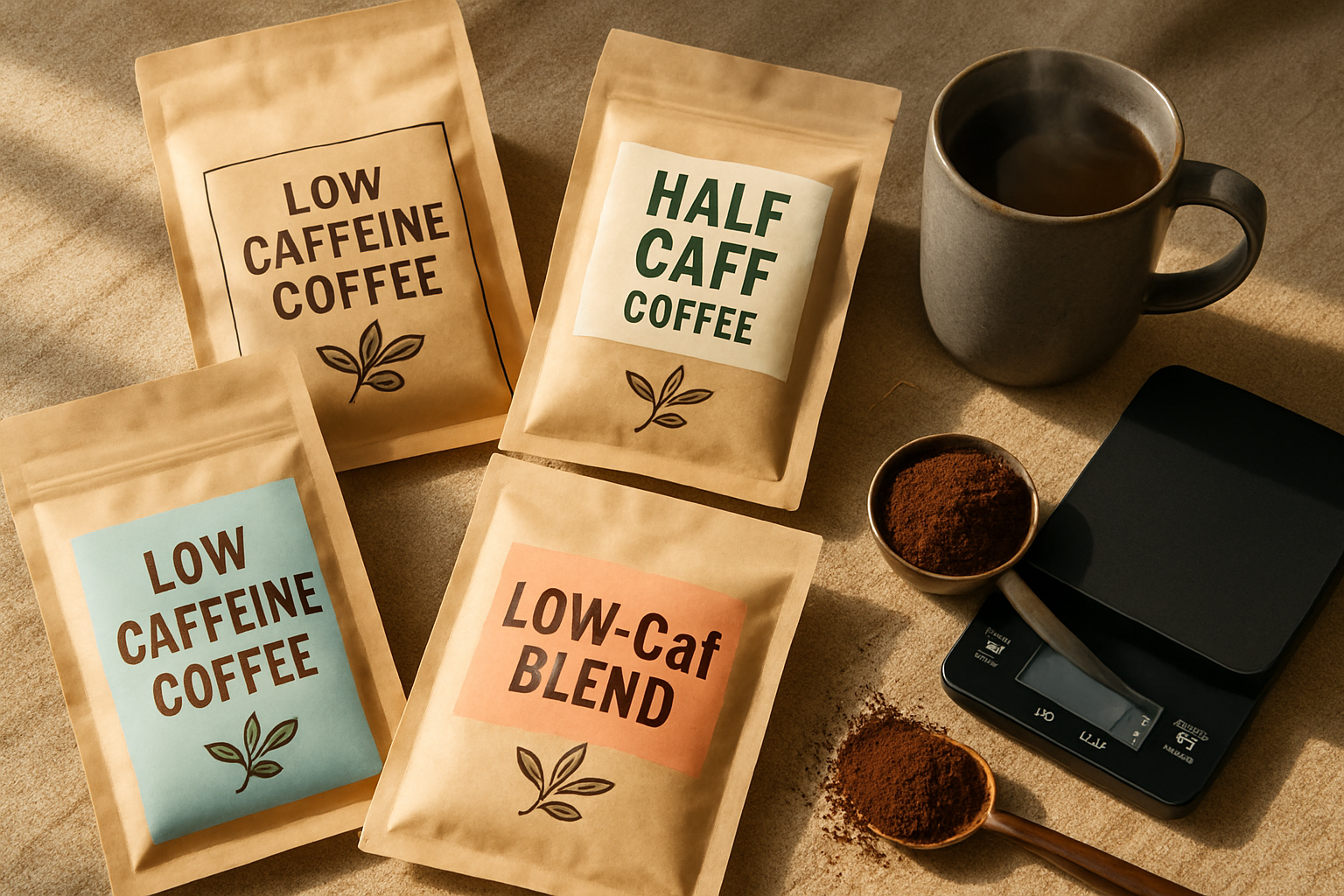
When people hear “low caffeine coffee,” they often picture decaf. However, there’s a crucial distinction. Decaffeinated coffee typically removes at least 97% of the caffeine, bringing levels down to a minuscule 2-5 mg per cup [1]. Low caffeine coffee, on the other hand, reduces the caffeine content significantly, but doesn’t aim to eliminate it almost entirely. This means a cup of low caffeine coffee might contain anywhere from 20-80 mg of caffeine, compared to a regular cup’s 95-200 mg. It’s designed for those who still want a mild stimulating effect, appreciate the taste, but want to avoid the jitters, anxiety, or sleep disturbances that can accompany a full dose of caffeine.
Imagine Sarah, a marketing professional in her late 30s. She loves the ritual of her morning coffee, but after a few years of high-stress deadlines, her morning cup started giving her uncomfortable heart palpitations. Switching to decaf felt like giving up a part of her routine she cherished. Then she discovered low caffeine coffee brands. It was a game-changer. She could still enjoy her morning brew, get a gentle lift, and avoid the negative physical side effects. This middle ground is precisely what these specialized brands aim to provide.
The Science Behind Reduced Caffeine
How do low caffeine coffee brands achieve this reduction? There are primarily two ways:
- Partial Decaffeination: Some brands take regular coffee beans and subject them to a partial decaffeination process. Instead of removing nearly all the caffeine, they stop the process earlier, leaving a desired residual amount.
- Naturally Low-Caffeine Beans: Certain coffee bean varieties naturally contain lower levels of caffeine. Arabica beans, for instance, typically have about half the caffeine of Robusta beans [2]. Beyond that, specific cultivars, like the Arabica variety known as Laurina or some Ethiopian landraces, are naturally very low in caffeine without any processing.
The choice of method significantly impacts the final product’s flavor profile and its “natural” appeal.
Decaffeination Processes: What to Look For in Low Caffeine Coffee Brands
The method used to remove or reduce caffeine is paramount, not just for the caffeine content, but also for the coffee’s taste and your health. When exploring low caffeine coffee brands, paying attention to the decaffeination process is vital.
Common Decaffeination Methods
Let’s break down the main processes:
- Swiss Water Process: 💧
- How it works: This is a 100% chemical-free process that uses only water to remove caffeine. Green coffee beans are soaked in hot water, creating a “flavor-charged water” saturated with coffee solids but no caffeine. This flavor-charged water then passes through activated charcoal filters that trap only caffeine molecules. The caffeine-free flavor-charged water is then used to soak a new batch of green beans, extracting only the caffeine while leaving the flavor compounds intact.
- Pros: Preserves much of the coffee’s original flavor, no chemical residue, environmentally friendly.
- Cons: Can be more expensive due to the complex process.
- Ideal for: Those seeking the purest, cleanest low caffeine option with excellent flavor retention.
- Many premium low caffeine coffee brands utilize this method for its superior taste preservation.
- CO2 Process (Carbon Dioxide): 🌬️
- How it works: Green coffee beans are steeped in highly pressurized liquid CO2, which acts as a solvent specifically for caffeine. The CO2 penetrates the beans and selectively binds with the caffeine molecules, leaving the larger flavor molecules behind. The CO2 is then released, carrying the caffeine with it.
- Pros: Highly effective at removing caffeine, excellent flavor retention, no chemical residue, environmentally sound.
- Cons: Requires specialized high-pressure equipment, can be expensive.
- Ideal for: Brands looking for a chemical-free, high-quality decaffeination option that preserves nuanced flavors.
- Direct Solvent Processes (Methyl Chloride & Ethyl Acetate): 🧪
- How it works: Green coffee beans are directly steeped in chemical solvents (like methyl chloride or ethyl acetate) that bond with caffeine. The beans are then steamed to remove the solvent and caffeine, followed by extensive rinsing.
- Pros: Generally less expensive, effective at caffeine removal.
- Cons: Some consumers are concerned about residual chemical traces (though regulated to be minimal), can sometimes strip away more delicate flavor notes.
- Ethyl Acetate (“Natural Decaf”): Ethyl acetate is often marketed as “natural decaf” because it can be derived from fruits or molasses. However, it’s still a chemical solvent.
- Methyl Chloride: While generally considered safe by regulatory bodies due to strict limits on residual levels, many consumers prefer to avoid it.
- Ideal for: More budget-friendly low caffeine options, though often less common for explicitly low-caffeine (vs. full decaf) offerings due to flavor considerations.
| Decaffeination Method | Chemicals Used | Flavor Retention | Cost | Consumer Perception |
|---|---|---|---|---|
| Swiss Water Process | None | Excellent | High | Very Positive |
| CO2 Process | None | Excellent | High | Very Positive |
| Ethyl Acetate | Yes (EA) | Good | Medium | Mixed (often marketed as “natural”) |
| Methyl Chloride | Yes (MC) | Fair to Good | Low | Negative for some |
When you see a brand specify “Swiss Water Processed” or “CO2 Decaf” for their low caffeine offerings, it’s a strong indicator of quality and a commitment to flavor. For more detailed information on various web hosting companies that support e-commerce stores, which can benefit coffee brands, consider exploring this article.
Top Low Caffeine Coffee Brands to Explore in 2025
The market for low caffeine coffee has never been more vibrant, with brands focusing on taste, ethical sourcing, and innovative decaffeination methods. Here are some of the most respected low caffeine coffee brands worth trying in 2025.
1. Kicking Horse Coffee (Half Caf) 🐎
Kicking Horse, a Canadian brand known for its bold roasts and commitment to fair trade and organic practices, offers an excellent “Half Caf” option.
- Caffeine Level: Approximately half that of their regular blends, around 70-80mg per 8oz cup.
- Decaffeination Method: Primarily uses the Swiss Water Process for their decaf component.
- Flavor Profile: Often described as rich, smooth, and robust with notes of chocolate and nuts. Their Half Caf maintains Kicking Horse’s signature full-bodied taste.
- Ethos: Certified organic and fair trade.
- Why it stands out: It’s a fantastic option for those who love strong coffee flavors but need less caffeine. The blend of regular and decaf beans is expertly balanced.
2. Peet’s Coffee (Half-Caff) ☕
Peet’s Coffee is a pioneer in the specialty coffee movement, known for its dark roasts and high-quality beans. Their Half-Caff blend is a popular choice for those seeking reduced caffeine.
- Caffeine Level: Roughly half the caffeine of a regular Peet’s brew.
- Decaffeination Method: Utilizes a water process (similar to Swiss Water) for their decaffeinated beans.
- Flavor Profile: Expect the classic Peet’s dark roast characteristics—bold, smoky, and deeply flavorful, with a smooth finish.
- Ethos: Focuses on sourcing high-quality beans directly from farmers.
- Why it stands out: If you’re a fan of darker, more intense roasts but want to cut down on caffeine, Peet’s Half-Caff delivers on flavor without compromise.
3. Seattle’s Best Coffee (Half-Caf) 🏞️
A widely available and affordable option, Seattle’s Best Coffee offers a reliable Half-Caf blend that’s perfect for everyday drinking.
- Caffeine Level: Around 50-60mg per serving.
- Decaffeination Method: Often uses a combination of water and direct solvent processes for their decaffeinated beans, ensuring consistent taste.
- Flavor Profile: A medium roast with a smooth, approachable flavor profile that’s easy to drink and not overly bitter.
- Ethos: Known for consistent quality and accessibility.
- Why it stands out: It’s an excellent entry point into low caffeine coffee for those looking for a balanced taste without a hefty price tag.
4. Lifeboost Coffee (Low Acid, Half Decaf) 🌱
Lifeboost positions itself as a health-conscious brand, offering low acid, organic, single-origin coffee. Their Half Decaf options are particularly appealing.
- Caffeine Level: Significantly reduced, with specific numbers varying by blend but generally half of their regular options.
- Decaffeination Method: Exclusively uses the Swiss Water Process for their decaffeinated beans.
- Flavor Profile: Known for its smooth, clean taste, often with notes of chocolate and caramel, and notably lower acidity, which is great for sensitive stomachs.
- Ethos: Certified organic, fair trade, single-origin, shade-grown, and low acid.
- Why it stands out: This brand is a fantastic choice for those who not only want less caffeine but also need a low-acid option for digestive comfort. Many appreciate the brand’s comprehensive commitment to health and quality.
5. Puroast Coffee (Low Acid, Reduced Caffeine) ✨
Puroast focuses on a unique roasting process that naturally reduces acidity and, as a beneficial side effect, can also lower caffeine content.
- Caffeine Level: Up to 70% less acid and often 50% less caffeine than leading brands, depending on the roast.
- Decaffeination Method: Their proprietary roasting process is the primary method for caffeine reduction and low acidity, rather than a separate decaffeination step.
- Flavor Profile: Known for a very smooth, mellow taste due to the low acidity, which allows different flavor notes to come forward without bitterness.
- Ethos: Focus on digestive wellness through their unique roasting technique.
- Why it stands out: If stomach sensitivity is your main concern, Puroast offers a dual benefit of low acidity and reduced caffeine, making it a soothing choice among low caffeine coffee brands.
6. Blue Bottle Coffee (Half & Half) ☕💙
Blue Bottle is renowned for its commitment to freshness and meticulously sourced beans. Their “Half & Half” blend exemplifies their quality in the reduced-caffeine category.
- Caffeine Level: Approximately half the caffeine of a standard Blue Bottle blend.
- Decaffeination Method: Uses a chemical-free decaffeination process (often Swiss Water or CO2) for their decaf component, ensuring minimal impact on flavor.
- Flavor Profile: Expect a bright, clean, and nuanced cup, reflecting Blue Bottle’s signature commitment to showcasing the natural characteristics of the bean. Often notes of stone fruit, chocolate, and caramel.
- Ethos: Known for meticulous sourcing, fresh roasting, and a focus on single-origin and exceptional blends.
- Why it stands out: For coffee aficionados who value specialty coffee quality and intricate flavor profiles but need to moderate caffeine, Blue Bottle’s Half & Half is a premium choice.
7. Starbucks (Half-Caf Options) 🌟
While not a specific “brand” of low caffeine coffee, Starbucks offers customers the option to create a “Half-Caf” drink with any espresso-based beverage.
- Caffeine Level: Any drink can be made with half regular espresso shots and half decaf shots.
- Decaffeination Method: Starbucks uses a direct method (Ethyl Acetate) for their decaffeinated beans.
- Flavor Profile: Depends entirely on the specific espresso roast used, but generally consistent with Starbucks’ bold, often dark-roasted profile.
- Ethos: Widely accessible.
- Why it stands out: Convenience! If you’re on the go and need a quick low-caffeine fix from a well-known establishment, Starbucks offers the flexibility.
This table provides a quick reference for some of the featured brands:
| Brand | Key Feature | Decaf Process (for blended component) | Flavor Profile | Ideal For |
|---|---|---|---|---|
| Kicking Horse Coffee | Organic, Fair Trade, Robust | Swiss Water | Rich, Smooth, Chocolate, Nuts | Bold flavor lovers seeking less caffeine |
| Peet’s Coffee | Dark Roast Quality | Water Process | Bold, Smoky, Deeply Flavorful | Dark roast enthusiasts |
| Seattle’s Best Coffee | Accessible, Everyday | Water/Direct Solvent | Smooth, Approachable, Medium | Budget-conscious, daily drinkers |
| Lifeboost Coffee | Low Acid, Organic, Single-Origin | Swiss Water | Smooth, Clean, Chocolate, Caramel | Sensitive stomachs, health-focused |
| Puroast Coffee | Unique Roasting, Very Low Acid | Proprietary Roasting (natural) | Mellow, Smooth, Non-Bitter | Digestive comfort, those sensitive to acid |
| Blue Bottle Coffee | Specialty, Freshness, Nuance | Chemical-free (Swiss/CO2) | Bright, Clean, Stone Fruit, Chocolate | Gourmet coffee lovers |
| Starbucks (Half-Caf) | On-the-Go Convenience | Ethyl Acetate | Consistent with Starbucks roasts | Quick, customizable reduced caffeine |
When considering your options, remember that personal preference plays a huge role. What one person finds perfectly balanced, another might find too strong or too mild. The best approach is to experiment with a few different low caffeine coffee brands to find your perfect match. To further understand how different companies present their offerings online and optimize their web presence, learning about topics like powerful keyword research tools can be insightful for consumers interested in brand transparency.
Brewing Your Best Low Caffeine Cup: Tips and Tricks
Even with the best low caffeine coffee brands, how you prepare your brew can significantly impact the final taste and perceived strength. Here are some tips to get the most out of your reduced-caffeine beans:
1. Grind Fresh ⚙️
This is arguably the most important rule for any good coffee, and it holds true for low caffeine varieties. Grinding your beans just before brewing maximizes flavor and aroma. Pre-ground coffee loses its volatile compounds rapidly, leading to a duller taste. A good grinder is a worthy investment.
2. Water Quality Matters 💧
Coffee is 98% water. If your water tastes bad, your coffee will too. Use filtered water to avoid chlorine and other off-flavors that can mask the delicate nuances of your low caffeine blend.
3. Consider Your Brewing Method ☕
Certain brewing methods are better suited for specific roast profiles and desired strength.
- Pour-Over: Excellent for highlighting the bright and nuanced flavors often found in lighter roasts of low caffeine beans. It allows for precise control over extraction.
- French Press: Ideal for full-bodied, rich flavors. It allows the coffee grounds to steep fully, extracting a robust flavor that can stand up well even with reduced caffeine beans. This is great if you want a hearty mouthfeel.
- AeroPress: Versatile and capable of producing both espresso-style concentrates and full-bodied brews. Its immersion brewing method can extract a lot of flavor quickly, making it a good choice for ensuring a flavorful low caffeine cup.
- Drip Coffee Maker: Convenient for daily brewing. Ensure your machine is clean and uses a proper water temperature (ideally between 195-205°F or 90-96°C) for optimal extraction.
Pull Quote: “The secret to a great cup of coffee, even low caffeine, lies in respecting every step: from bean to brew.”
4. Optimize Water Temperature 🔥
Too hot, and you’ll scorch the coffee, resulting in bitterness. Too cold, and you’ll under-extract, leading to a weak, sour taste. The sweet spot is typically between 195°F and 205°F (90-96°C).
5. Proper Coffee-to-Water Ratio ⚖️
A good starting point is the “golden ratio” of 1:15 to 1:18 coffee to water. This means for every 1 gram of coffee, use 15 to 18 grams of water. Adjust to your personal taste. Since low caffeine beans might have slightly less inherent flavor punch, you might find yourself leaning towards a slightly stronger ratio (e.g., 1:15) for a bolder cup.
6. Storage is Key 🔐
Store your beans in an opaque, airtight container in a cool, dark place. Avoid the refrigerator or freezer, as moisture and fluctuating temperatures can degrade the beans faster.
By paying attention to these brewing fundamentals, you can ensure that your experience with low caffeine coffee brands is as satisfying and flavorful as possible. For those looking to present their own unique coffee blends or expand their online reach, understanding the importance of a well-designed website cannot be overstated. Consider how visual appeal and user experience play a role, similar to the principles discussed in Coffee Brewing Methods 16 Different Ways To Make It.
The Benefits of Choosing Low Caffeine Coffee
Opting for low caffeine coffee brands isn’t just about managing jitters; it offers a range of potential health and lifestyle benefits that resonate with many in 2025.
1. Reduced Anxiety and Jitters 😌
For many, caffeine can trigger or exacerbate feelings of anxiety, nervousness, or restlessness. A regular cup of coffee, with 95-200 mg of caffeine, can be overwhelming for sensitive individuals. Low caffeine coffee significantly reduces this intake, offering a gentler stimulant effect that provides focus without the unwanted side effects. It allows you to enjoy the mental boost without the physical discomfort.
2. Improved Sleep Quality 😴
Caffeine has a half-life of about 5 hours, meaning it takes that long for half of the caffeine to leave your system [3]. If you enjoy an afternoon coffee, a full-caffeine cup can linger in your body, disrupting your sleep cycle. Switching to a low caffeine option in the afternoon or evening can allow your body to naturally wind down, leading to more restful sleep. Imagine waking up feeling truly refreshed, rather than still feeling the echoes of yesterday’s afternoon pick-me-up.
3. Less Digestive Discomfort 🌬️
Caffeine can stimulate the digestive system, leading to acid reflux, heartburn, or an upset stomach in some individuals. While coffee’s acidity also plays a role, reduced caffeine can lessen these issues. Many low caffeine options, particularly those marketed as “low acid” like Lifeboost or Puroast, offer a double benefit for sensitive stomachs. It’s a noticeable difference for those who’ve struggled with stomach issues after their morning brew.
4. Enjoy the Ritual Without the Rush 🧘♀️
For countless people, coffee is more than just a beverage; it’s a cherished ritual. The aroma, the warmth of the cup, the moments of quiet contemplation or social connection – these aspects are just as important as the caffeine itself. Low caffeine coffee allows you to fully engage in this ritual without the pressure of an impending caffeine rush. It fosters a more mindful coffee experience, letting you savor the moment.
5. Better Hydration (Potentially) 💧
While coffee itself contains water, caffeine is a mild diuretic, meaning it can slightly increase urine output. While not as dehydrating as once thought, reducing caffeine intake can contribute to better overall hydration, especially if you’re replacing multiple high-caffeine cups with low caffeine alternatives.
6. Maintaining Coffee Culture 🌍
You don’t have to give up your favorite coffee shop or stop socializing over coffee. With low caffeine coffee brands readily available (or easily created by asking for half-decaf), you can participate in the vibrant coffee culture without compromising your health goals. This social aspect is crucial for many, and these options ensure no one is left out.
Choosing low caffeine coffee is a proactive step towards a more balanced and health-conscious lifestyle, allowing you to enjoy the best of both worlds – the rich flavor and comforting warmth of coffee, with a gentler impact on your body. For businesses in the health and wellness sector, optimizing their online presence is crucial, and resources such as Coffee Roasters Scotland: Read This Before Purchase on highlight the importance of specialized tools for reaching target audiences.
Beyond Beans: Low Caffeine Coffee Alternatives
While the focus has been on traditional low caffeine coffee brands, it’s worth noting that the broader market for reduced-stimulant hot beverages also offers alternatives that might appeal to those seeking coffee-like experiences without the jitters. These aren’t coffee, but they can satisfy a similar craving for a warm, comforting drink.
1. Mushroom Coffee 🍄
No, it doesn’t taste like mushrooms! Mushroom coffee blends finely ground medicinal mushrooms (like Chaga, Lion’s Mane, or Reishi) with a small amount of coffee.
- Caffeine Level: Significantly lower than regular coffee, as the mushroom component adds volume and flavor without caffeine. Some brands are completely caffeine-free, while others offer a very low caffeine blend.
- Benefits: Proponents claim cognitive benefits (Lion’s Mane for focus), immune support (Chaga), and stress reduction (Reishi), along with a gentler caffeine experience.
- Flavor Profile: Earthy, often smooth, and surprisingly coffee-like, especially when mixed with dairy or sweeteners.
2. Chicory Root Coffee 🌿
Chicory root has been a coffee substitute for centuries, especially popular during times of coffee scarcity.
- Caffeine Level: Naturally caffeine-free.
- Benefits: Contains inulin, a prebiotic fiber that supports gut health.
- Flavor Profile: Earthy, slightly bitter, and often described as having a nutty or woody taste. It blends well with regular coffee to extend it or can be enjoyed on its own.
3. Grain Coffees (e.g., Barley, Rye) 🌾
These are made from roasted and ground grains, offering a coffee-like aroma and taste without any caffeine.
- Caffeine Level: Naturally caffeine-free.
- Benefits: Often easy on the stomach, some provide dietary fiber.
- Flavor Profile: Varies by grain but generally has a malty, toasted flavor, similar to a very light, mild coffee.
4. Herbal “Coffee” Blends 🍃
Various brands create blends from roasted roots, fruits, and spices to mimic the coffee experience. Ingredients might include dandelion root, carob, ramon nut, or maca.
- Caffeine Level: Generally caffeine-free.
- Benefits: Depending on ingredients, can offer digestive aid, adaptogenic properties, or simply a comforting, warm beverage.
- Flavor Profile: Highly varied, from earthy and roasty to slightly sweet or spicy.
While these alternatives stray from true coffee, they offer another avenue for those seeking to drastically reduce or eliminate caffeine while maintaining the comforting ritual of a hot, flavorful drink. It’s about finding what suits your body and preferences best in your journey to a more balanced lifestyle in 2025.
Conclusion: Savoring a Balanced Coffee Experience in 2025
The quest for the perfect cup of coffee is deeply personal, and in 2025, that quest increasingly includes a focus on well-being and balance. The rise of low caffeine coffee brands has opened up a world of possibilities for coffee lovers who want to enjoy the rich flavors and comforting rituals of coffee without the accompanying jitters, anxiety, or sleep disturbances that can come with high caffeine intake.
From expertly half-decaffeinated blends utilizing the chemical-free Swiss Water Process, to naturally lower-caffeine bean varieties, the options are more diverse and delicious than ever before. Brands like Kicking Horse, Peet’s, Lifeboost, and Blue Bottle are leading the charge, proving that reduced caffeine doesn’t mean reduced flavor or quality.
Choosing low caffeine coffee is a mindful decision – one that allows you to remain part of the vibrant coffee culture while prioritizing your physical and mental health. It’s about finding that sweet spot where taste, ritual, and well-being harmoniously coexist. As you explore the diverse landscape of these brands, remember to consider the decaffeination method, the brand’s ethos, and the flavor profile that best suits your palate. Experiment with different brewing techniques and ratios to unlock the full potential of your chosen beans.
Actionable Next Steps:
- Identify Your Caffeine Sensitivity: Reflect on how much caffeine affects you. Do you get jitters after one cup or several? This will help you determine how “low” you need to go.
- Explore Decaffeination Methods: Prioritize brands that use chemical-free methods like Swiss Water or CO2 for the best flavor and peace of mind.
- Try a “Half-Caf” Blend: Many premium brands offer half-caf options, which are an excellent starting point for transitioning from full-caffeine.
- Consider Specialty Low Acid Options: If you experience digestive discomfort, look for brands specifically marketing as “low acid” alongside their reduced caffeine content.
- Experiment with Brewing: Don’t be afraid to adjust your grind size, water temperature, and coffee-to-water ratio to optimize the flavor of your low caffeine brew.
- Read Reviews and Ask for Recommendations: Leverage the experiences of other coffee enthusiasts to guide your choices.
Embrace the opportunity to sip smarter and discover a more balanced, enjoyable coffee experience in 2025. Your body and mind will thank you.
References
[1] U.S. Food & Drug Administration. (2020). Caffeine and Your Health. Retrieved from https://www.fda.gov/consumers/consumer-updates/caffeine-and-your-health
[2] Hoffmann, C. (2022). Arabica vs Robusta Coffee: What’s the Difference? Perfect Daily Grind. Retrieved from https://www.perfectdailygrind.com/2022/03/arabica-vs-robusta-coffee/
[3] Nehlig, A. (2018). Caffeine and the central nervous system: mechanisms of action, biochemical, metabolic and psychostimulant effects. Journal of Alzheimer’s Disease, 62(1), 3-15.
Discover more from 101 Amazing Coffee
Subscribe to get the latest posts sent to your email.

