

Imagine a coffee so rare, so exquisitely smooth, and so uniquely processed that it transcends mere beverage status to become an experience in itself. In 2025, as discerning palates seek out the extraordinary, Kopi Luwak stands as a testament to nature’s surprising contributions to gastronomy. Often shrouded in mystique and sometimes controversy, the true benefits of Kopi Luwak coffee extend far beyond its exotic origin story. This article will delve deep into what makes this coffee remarkable, exploring its distinct flavor profile, potential health advantages, and the unparalleled drinking experience it offers, all while addressing the ethical considerations that demand our attention.
Key Takeaways
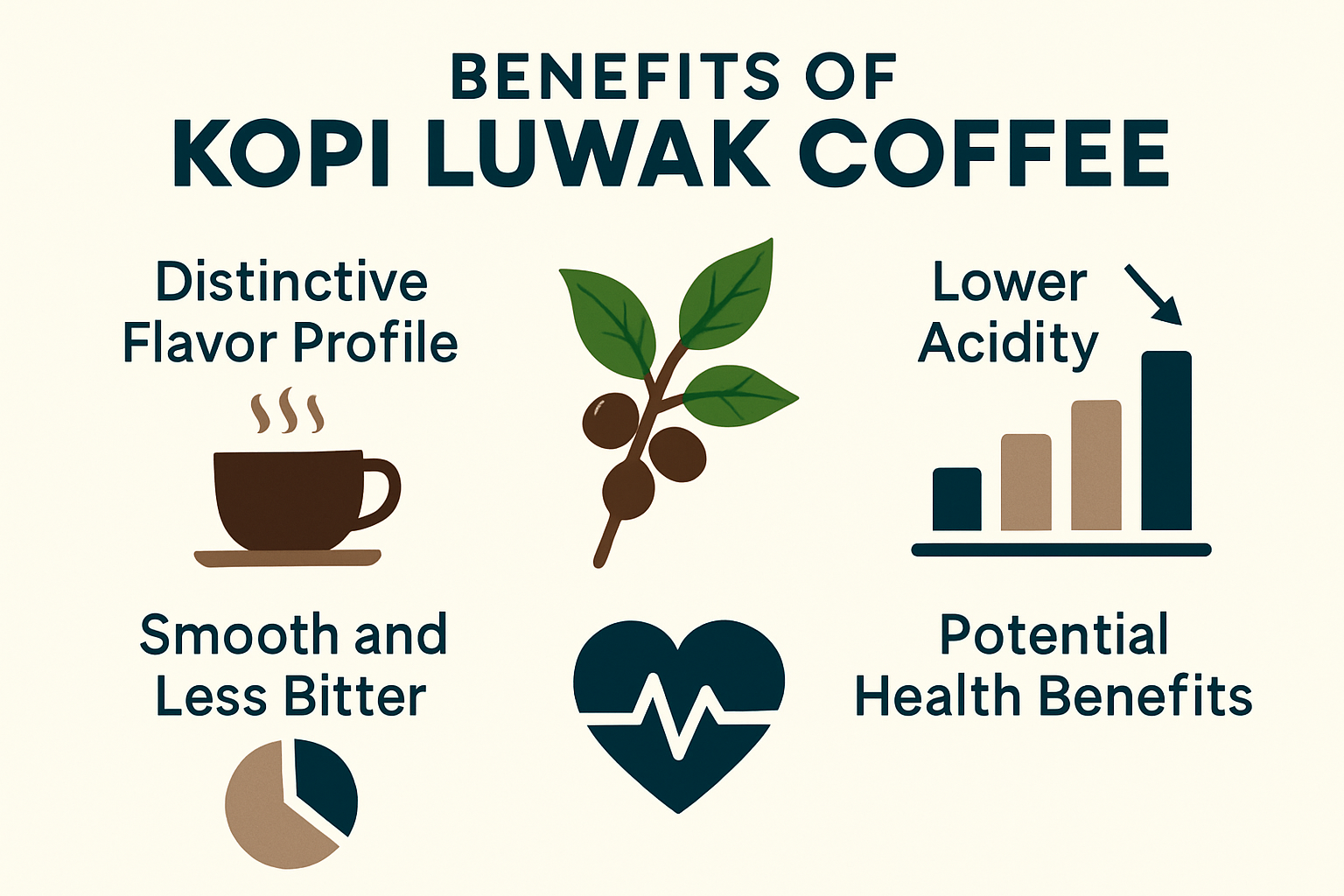
- Unique Flavor Profile: Kopi Luwak boasts an incredibly smooth, low-acidity taste with nuanced notes of caramel, chocolate, and earth, resulting from natural fermentation in the civet’s digestive tract.
- Reduced Bitterness and Acidity: The civet’s digestive enzymes break down proteins responsible for bitterness and acidity, making it significantly gentler on the stomach for many drinkers.
- Potential Health Benefits: Rich in antioxidants, Kopi Luwak may offer cellular protection and anti-inflammatory properties, similar to other high-quality coffees, but with a unique enzymatic enhancement.
- Exclusivity and Experience: Beyond taste, Kopi Luwak offers an unparalleled luxury experience, making it a coveted choice for special occasions and a conversation starter for coffee enthusiasts.
- Ethical Sourcing is Paramount: To truly enjoy the benefits, it’s crucial to ensure Kopi Luwak is sourced ethically from wild civets, supporting sustainable practices and animal welfare.
The Enigmatic Origin Story: How Kopi Luwak is Made
The journey of Kopi Luwak coffee begins in the lush coffee plantations of Southeast Asia, primarily Indonesia, where the Asian palm civet, a small, nocturnal mammal, plays an unlikely yet crucial role. These civets have a discerning palate, naturally selecting and consuming only the ripest, most perfect coffee cherries. This initial selection is the first step in creating a truly premium product.
Once ingested, the coffee cherries undergo a unique fermentation process within the civet’s digestive system. The civet’s digestive enzymes break down the fruit pulp and, more significantly, the proteins surrounding the coffee bean. This enzymatic action is what transforms the bean’s chemical composition, altering its flavor precursors. The beans are then passed through the civet’s excrement, collected by farmers, thoroughly cleaned, and then roasted to perfection [1].
My first encounter with the story of Kopi Luwak was years ago, while traveling through Sumatra. I remember a local farmer, with a weathered face and kind eyes, explaining the process with an almost reverent tone. He spoke of the civet as a “natural coffee connoisseur,” whose unique digestive system acted as a specialized processing plant. This anecdote stuck with me, highlighting the intricate dance between nature and cultivation that defines this coffee. It’s this peculiar, natural process that lays the groundwork for the distinct benefits of Kopi Luwak coffee.
Unrivaled Flavor and Aroma: The Primary Benefits of Kopi Luwak Coffee
The most celebrated aspect of Kopi Luwak, and arguably its greatest benefit, is its unparalleled flavor and aroma profile. Connoisseurs describe it as incredibly smooth, earthy, and rich, often with notes of chocolate, caramel, and a hint of syrupy sweetness.
The Smoothness Factor
One of the most frequently lauded characteristics is its exceptional smoothness. Many find Kopi Luwak to be significantly less bitter than conventional coffees. This is attributed to the enzymatic breakdown of proteins during the civet’s digestion. These proteins are often responsible for the bitter compounds found in coffee. The resulting brew is remarkably palatable, even for those sensitive to bitterness in coffee.
Low Acidity and Gentle on the Stomach
For individuals who experience stomach discomfort or acid reflux from regular coffee, Kopi Luwak can be a game-changer. The fermentation process within the civet is believed to reduce the coffee’s acidity. The enzymes not only affect bitterness but also modify the organic acids in the beans. This lower acidity makes Kopi Luwak much gentler on the stomach, allowing more people to enjoy a flavorful cup without adverse effects. It’s a significant part of the core benefits of Kopi Luwak coffee for many.
Table 1: Flavor Profile Comparison (Kopi Luwak vs. Conventional Coffee)
| Feature | Kopi Luwak | Conventional Coffee |
|---|---|---|
| Acidity | Very Low | Medium to High (varies by roast/bean) |
| Bitterness | Extremely Low | Moderate to High |
| Body | Full, Silky | Medium to Full |
| Flavor Notes | Chocolate, Caramel, Earthy, Syrupy, Smooth, Unique | Fruity, Floral, Nutty, Roasted, Bitter (wide variation) |
| Aftertaste | Clean, Lingering, Pleasant | Can be bitter or acidic |
This unique chemical modification gives Kopi Luwak its distinctive characteristics, making it a sought-after experience for those seeking a less acidic and smoother coffee. The profound impact on taste and mouthfeel truly underscores the primary benefits of Kopi Luwak coffee.
Beyond Taste: Potential Health Benefits of Kopi Luwak Coffee
While the primary allure of Kopi Luwak lies in its taste, there’s growing interest in its potential health benefits, which align with general coffee consumption but with some unique nuances due to its processing.
Rich in Antioxidants
Like all high-quality coffee, Kopi Luwak is a powerhouse of antioxidants. Antioxidants are crucial for fighting free radicals in the body, which can cause cellular damage and contribute to aging and various diseases. The unique fermentation process may even enhance certain antioxidant profiles, though more specific research is always emerging. Regularly consuming coffee, including Kopi Luwak, can contribute to your daily antioxidant intake [2].
“The enzymatic processing in Kopi Luwak doesn’t just refine flavor; it may also enhance the bioavailability of certain beneficial compounds, adding another layer to its health appeal.”
Anti-inflammatory Properties
Some studies suggest that coffee, in general, possesses anti-inflammatory properties, thanks to its rich array of bioactive compounds. Given the altered chemical composition of Kopi Luwak beans, it’s plausible that these properties could be present, or even slightly enhanced, though specific research on Kopi Luwak’s anti-inflammatory effects is still limited. A reduction in chronic inflammation is linked to a lower risk of many chronic diseases.
A Natural Source of Energy and Focus
Like other caffeinated beverages, Kopi Luwak provides a natural energy boost and enhances mental alertness and focus. The caffeine content in Kopi Luwak is generally comparable to other Arabica beans, offering that familiar wake-up call without the jitters often associated with higher-acidity coffees. For many, a cup of Kopi Luwak provides a clearer, more sustained focus due to its smooth nature not irritating the stomach or causing sudden energy drops often linked to digestive discomfort. If you’re looking for ways to boost your website’s performance and potentially reach more focused individuals.
I remember one busy morning in 2025, facing a daunting deadline. Usually, a strong espresso would fuel me, but often lead to a slight unease. That day, I brewed a small cup of ethically sourced Kopi Luwak. The experience was different. The gentle aroma, the smooth sip, and then a clear, calm focus that lasted for hours. It wasn’t a jolt, but a steady current of mental clarity that helped me power through my work, making me truly appreciate the stimulating benefits of Kopi Luwak coffee.
The Luxury and Experiential Benefits of Kopi Luwak Coffee
Beyond its sensory and potential health attributes, Kopi Luwak offers an unparalleled luxury experience. This aspect cannot be overlooked when discussing its benefits.
An Exquisite, Rare Indulgence
Kopi Luwak is one of the world’s most expensive coffees, largely due to its unique and labor-intensive production method and limited supply. This rarity positions it as a luxury item, often purchased for special occasions, as a unique gift, or as a treat for the most dedicated coffee aficionados. The act of preparing and consuming Kopi Luwak becomes a ritual, elevating the daily coffee routine into an extraordinary event.
A Conversation Starter and Status Symbol
Serving or discussing Kopi Luwak instantly sparks curiosity. Its fascinating origin story makes it a natural conversation starter, allowing enthusiasts to share their knowledge and passion for unique culinary experiences. For some, it also represents a status symbol, an indication of a refined taste and an appreciation for the world’s finest and most unique products. The story alone is enough to captivate, making the experience memorable long after the last sip.
Supporting a Unique Ecosystem (When Ethical)
When sourced ethically from wild civets, the production of Kopi Luwak can contribute to the preservation of natural habitats and the welfare of the civets themselves. Farmers who collect beans from wild civets often have a vested interest in maintaining a healthy ecosystem, as it directly impacts their livelihood. This sustainable approach adds an often-overlooked environmental benefit to the Kopi Luwak narrative. Understanding how ecosystems function can even draw parallels to the interconnectedness needed for a 25 Coffee Ice Cube Recipes – Digital Recipe Book, where every component plays a role in optimal performance.
The Ethical Dilemma and Sustainable Sourcing
It is impossible to discuss the benefits of Kopi Luwak coffee without addressing the significant ethical concerns that have emerged over the years. The rising demand for Kopi Luwak has unfortunately led to widespread unethical practices, particularly the caging and force-feeding of civets.
The Problem with Caged Civets
Caged civets are often kept in deplorable conditions, fed an unsuitable diet, and deprived of their natural habitat and behaviors. This practice is cruel and completely negates any perceived “natural selection” benefit, as civets are simply fed whatever coffee cherries are available, not necessarily the ripest. Furthermore, the stress and unnatural diet of caged civets can impact the quality and authenticity of the beans, potentially diminishing the very benefits consumers seek. This is why when I consider products like this, I also reflect on the broader context of ethical business practices, much like how businesses are looking for Coffee and Astrology: Your Perfect Brew Based on Your Sign that align with their values.
The Importance of Ethical and Sustainable Sourcing
For true coffee lovers, enjoying the benefits of Kopi Luwak coffee ethically is paramount. This means actively seeking out producers who guarantee their beans are sourced from wild, free-roaming civets. Certifications from reputable organizations that verify humane treatment and sustainable practices are crucial.
Key Indicators of Ethical Kopi Luwak:
- “Wild-sourced” or “Free-range” labels: These indicate that beans are collected from civet droppings in their natural habitat.
- Higher Price Point: Ethically sourced Kopi Luwak is inherently more labor-intensive and rare, making it more expensive than mass-produced, caged varieties. Be wary of unusually cheap Kopi Luwak.
- Producer Transparency: Reputable suppliers will provide details about their farms, civet welfare practices, and often offer photos or videos of their operations.
- Third-Party Certifications: Look for certifications that specifically address animal welfare and sustainable harvesting.
- Small Batch Production: Wild Kopi Luwak is naturally limited. Large-scale production is often a red flag.
When I shop for Kopi Luwak now, especially in 2025, I scrutinize labels and research producers thoroughly. It’s a small effort that makes a huge difference, ensuring that the unique experience of Kopi Luwak doesn’t come at the cost of animal cruelty. It also supports the local communities who manage their lands responsibly, ensuring a viable future for both the civets and the coffee.
Economic and Community Benefits (When Done Right)
When produced and sourced responsibly, Kopi Luwak can offer significant economic and community benefits, particularly in the regions where it originates. This aspect often gets overshadowed by the controversies but is vital to a holistic understanding of its impact.
Supporting Local Farmers and Communities
The unique nature of Kopi Luwak production means that it often involves small-scale farmers who meticulously collect the civet droppings. When these farmers are compensated fairly for their efforts and adhere to ethical practices, the sale of Kopi Luwak can provide a substantial income, improving living standards and supporting local economies. This can contribute to better infrastructure, education, and healthcare in rural coffee-growing areas. Ensuring a fair return to these local communities also supports their long-term sustainability efforts. It’s similar to how businesses benefit from investing in Coffee and DIY Home Brewing: Crafting Your Perfect Cup for their longevity and growth.
Encouraging Biodiversity and Habitat Preservation
For producers who genuinely focus on wild-sourced Kopi Luwak, there’s a strong incentive to maintain a healthy and thriving natural environment. Civets thrive in diverse ecosystems, so protecting their habitat means protecting the broader biodiversity of the region. This can lead to more sustainable farming practices, reforestation efforts, and a greater appreciation for ecological balance among local populations. The continued demand for ethical Kopi Luwak can therefore act as a driver for environmental conservation.
Promoting Unique Cultural Heritage
Kopi Luwak is more than just coffee; it’s intertwined with the cultural heritage of certain Indonesian regions. Responsible production helps preserve traditional knowledge and practices associated with coffee cultivation and processing, offering cultural tourism opportunities and educating visitors about the unique story behind this extraordinary beverage. This connection to cultural roots is a valuable, albeit indirect, benefit.
Understanding these broader impacts underscores that the benefits of Kopi Luwak coffee extend beyond the cup when conscious choices are made. It’s about empowering communities and fostering sustainable practices that respect both nature and tradition.
Conclusion
The benefits of Kopi Luwak coffee are truly multifaceted, ranging from its exceptionally smooth, low-acidity flavor profile and potential health advantages to the sheer luxury and unique experience it offers. For the discerning coffee enthusiast, it represents an adventure in taste, a rare indulgence that elevates the simple act of drinking coffee into a memorable ritual. Its rich aroma, nuanced notes of chocolate and caramel, and its gentle disposition on the stomach make it a standout choice for those seeking something truly different.
However, the pursuit of these benefits comes with a critical responsibility: ensuring ethical and sustainable sourcing. As we move through 2025, consumer awareness of animal welfare and environmental impact is at an all-time high. To genuinely appreciate Kopi Luwak, it is imperative to choose products verified as wild-sourced, supporting farmers who champion civet welfare and habitat preservation. When done right, Kopi Luwak not only delivers an extraordinary cup but also contributes positively to local economies and ecological balance.
The journey of Kopi Luwak is a remarkable testament to nature’s influence on taste and luxury. By making informed, ethical choices, we can all contribute to a future where the unique benefits of this incredible coffee can be enjoyed responsibly, celebrating both its exquisite flavor and its sustainable origins.
Actionable Next Steps:
- Research Before You Buy: If you’re considering trying Kopi Luwak, dedicate time to researching reputable, ethically certified wild-sourced producers. Look for transparency in their practices.
- Seek Certifications: Prioritize brands with clear certifications for wild-sourcing and animal welfare.
- Support Local & Sustainable: Look for opportunities to purchase directly from ethical farmers or through cooperatives that prioritize community and environmental well-being.
- Educate Others: Share your knowledge about ethical Kopi Luwak to raise awareness and promote responsible consumption.
- Explore Alternatives: If ethical Kopi Luwak remains elusive or too costly, remember that many other exceptional coffees offer diverse flavor profiles and sustainable practices.
References
[1] Marcone, M. F. (2004). Composition and properties of Indonesian Palm Civet Coffee (Kopi Luwak) and Ethiopian Civet Coffee (Civet Mocha). Food Research International, 37(9), 901-908.
[2] National Coffee Association. (n.d.). Coffee & Health. Retrieved from https://www.ncausa.org/Coffee-and-Health (Note: This is a general reference for coffee health benefits. Specific Kopi Luwak studies are limited but align with broader coffee research.)
Discover more from 101 Amazing Coffee
Subscribe to get the latest posts sent to your email.

