

In a world constantly seeking purity and optimal wellness, the choices we make about our daily rituals profoundly impact our health. Among these, the humble cup of coffee stands out as a beloved morning companion for millions. But what if this daily habit could offer more than just a jolt of energy? What if choosing organic coffee could unlock a cascade of significant health advantages? As we navigate 2025, the conversation around “organic coffee health benefits” is becoming increasingly vital, moving beyond mere preference to a serious consideration for our long-term well-being. This article will delve deep into the science and practicalities of why organic coffee might just be one of the best investments you can make for your health.
Key Takeaways
- Purity Matters: Organic coffee is grown without synthetic pesticides, herbicides, or fertilizers, reducing your exposure to potentially harmful chemicals.
- Antioxidant Powerhouse: It’s rich in antioxidants like chlorogenic acid, offering robust protection against cellular damage and chronic diseases.
- Enhanced Nutrient Profile: Some studies suggest organic growing methods may lead to a higher concentration of beneficial compounds.
- Supports Sustainable Health: Choosing organic coffee contributes to healthier ecosystems and farming practices, aligning with a holistic view of wellness.
- Mind and Body Boost: Beyond the caffeine, organic coffee contributes to better cognitive function, mood, and potentially offers long-term disease prevention benefits.
What Makes Organic Coffee Special? The Foundation of Organic Coffee Health Benefits
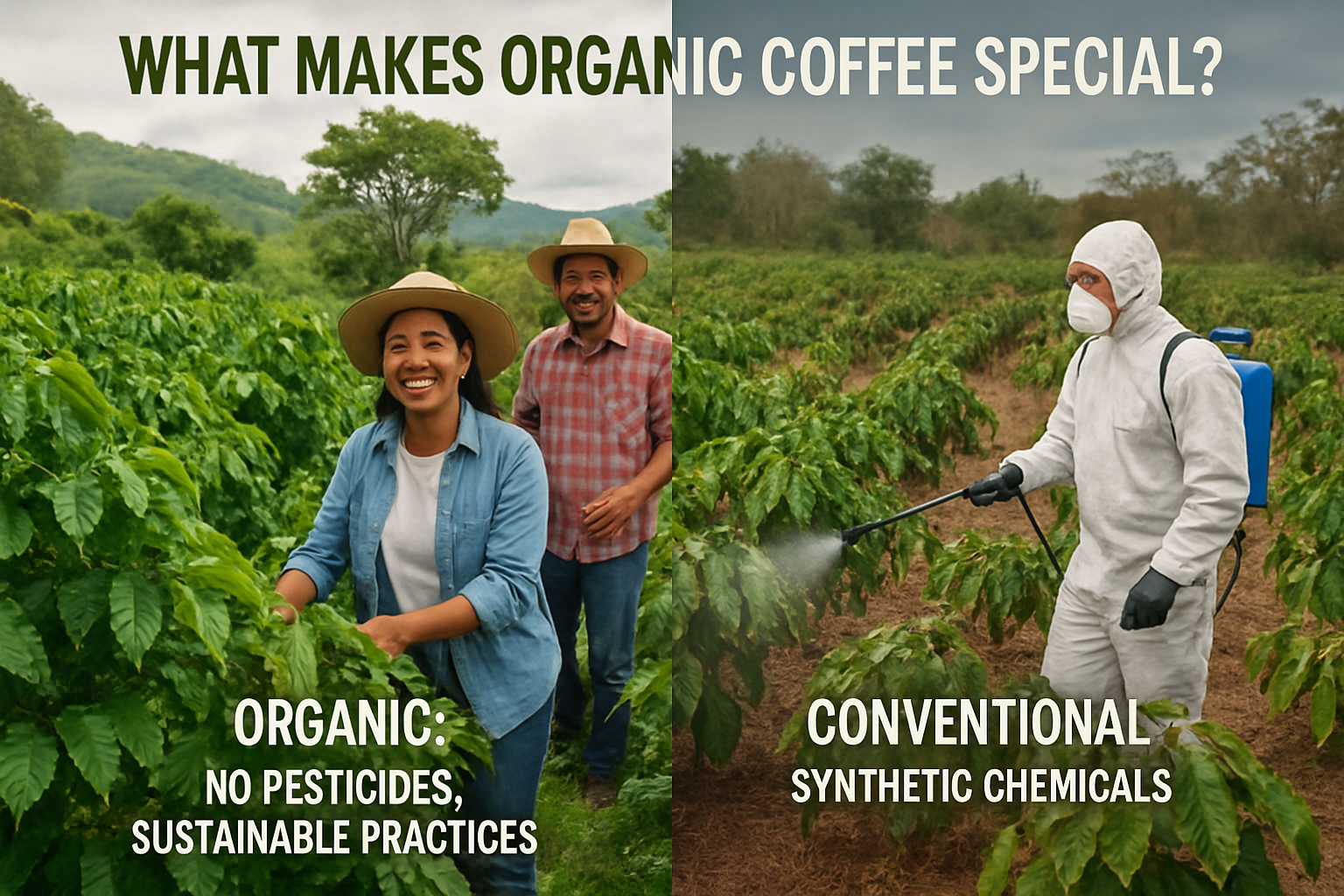
The journey of organic coffee begins long before it reaches your mug. Unlike conventional coffee, which often relies heavily on synthetic chemicals, organic coffee farming adheres to strict standards that prioritize ecological balance and sustainable practices. Imagine vast coffee plantations nestled among diverse flora and fauna, where natural processes thrive [1]. This isn’t just a romantic ideal; it’s the bedrock of the unique organic coffee health benefits.
Conventional vs. Organic: A Crucial Distinction
To truly understand why organic coffee offers superior health advantages, it’s essential to compare it with its conventional counterpart.
Conventional Coffee Farming:
- Pesticides and Herbicides: Non-organic coffee plants are frequently sprayed with synthetic pesticides to deter insects and herbicides to control weeds. These chemicals can include substances like glyphosate, which has been the subject of considerable debate regarding its potential health impacts [2].
- Synthetic Fertilizers: Chemical fertilizers are used to boost growth, often leading to rapid nutrient depletion in the soil and a reliance on further chemical inputs.
- Monoculture: Large-scale conventional farms often employ monoculture, growing only coffee, which can strip the soil of nutrients and make plants more susceptible to pests, perpetuating the cycle of chemical reliance.
- Environmental Impact: Runoff from these farms can contaminate local water sources and harm biodiversity.
Organic Coffee Farming:
- No Synthetic Chemicals: Organic coffee is cultivated without synthetic pesticides, herbicides, fungicides, or fertilizers. Farmers use natural methods like composting, crop rotation, and beneficial insects to maintain soil health and manage pests.
- Sustainable Practices: Organic farms often integrate shade-grown techniques, which means coffee plants grow under a canopy of trees. This mimics coffee’s natural habitat, supports biodiversity, and helps prevent soil erosion. It also contributes to the creation of richer, more nutrient-dense soil.
- Biodiversity: Organic farms typically promote a greater variety of plant and animal life, creating a more resilient and healthy ecosystem.
- Soil Health: Emphasis is placed on nurturing the soil through organic matter, leading to healthier plants that are naturally more resistant to disease.
This fundamental difference in cultivation methods means that when you choose organic, you’re choosing a product that has been grown in a cleaner environment, resulting in a bean that is less likely to contain residues of synthetic chemicals. This purity is the first and perhaps most significant aspect contributing to the extensive organic coffee health benefits. It’s like choosing fresh, ripe fruit from a thriving garden instead of one grown with chemical shortcuts. This commitment to natural processes extends beyond just your cup; it supports the planet too. For those interested in understanding the broader impact of their digital footprint and sustainable choices, exploring resources on The Ultimate Guide to the Best Coffee for Cold Brew can reveal how even digital infrastructure can align with efficiency and thoughtful design.
The Antioxidant Powerhouse: Unveiling Organic Coffee Health Benefits
One of the most compelling arguments for embracing organic coffee lies in its rich concentration of antioxidants. These remarkable compounds are your body’s frontline defense against oxidative stress, a process linked to aging and numerous chronic diseases. Think of antioxidants as tiny shields, protecting your cells from damage caused by free radicals.
What are Antioxidants and Why Do They Matter?
Free radicals are unstable molecules that can damage cells, proteins, and DNA within your body. This damage, known as oxidative stress, contributes to the development of various health issues, including:
- Heart disease
- Certain cancers
- Neurodegenerative diseases like Alzheimer’s and Parkinson’s
- Inflammation
- Accelerated aging
Antioxidants neutralize these free radicals, preventing them from wreaking havoc. Coffee, in general, is renowned for its antioxidant content, often being cited as one of the largest sources of antioxidants in the Western diet [3]. However, organic coffee may offer an edge.
The Organic Advantage in Antioxidant Content
While all coffee contains antioxidants, the organic growing process may enhance their presence. Why?
- Cleaner Environment: Without the interference of synthetic pesticides and herbicides, organic coffee plants may naturally produce more of their own protective compounds (which are often antioxidants) as a defense mechanism against pests and environmental stressors. These natural defenses then become part of the beans we consume.
- Healthier Soil: Organic farming fosters rich, living soil brimming with beneficial microorganisms. This vibrant soil contributes to healthier, more robust plants that are better able to absorb nutrients and produce higher levels of beneficial phytochemicals, including antioxidants [4].
Key antioxidants found in organic coffee include:
- Chlorogenic Acids (CGAs): These are potent antioxidants known for their anti-inflammatory, anti-diabetic, and cardiovascular benefits. They are particularly abundant in unroasted coffee beans but remain significant even after roasting.
- Melanoidins: Formed during the roasting process, these compounds contribute to coffee’s distinctive color and aroma, and also possess antioxidant and anti-inflammatory properties.
- Quinic Acid: Another antioxidant derived from chlorogenic acids during roasting.
Consider the story of Elena, a coffee connoisseur who switched to organic several years ago. “I used to think coffee was just coffee,” she shared, “but after learning about the pesticides, I made the switch. I feel a subtle but noticeable difference – a cleaner energy, and I genuinely believe I’m doing something good for my body, thanks to those organic coffee health benefits.” Her experience echoes a growing sentiment among those who prioritize purity in their diet.
Beyond the Buzz: Cognitive and Mood-Boosting Organic Coffee Health Benefits
While the energizing kick of coffee is undeniable, the organic variant offers a suite of cognitive and mood-boosting advantages that extend far beyond a simple caffeine rush. For many, a cup of organic coffee is not just a morning ritual; it’s a mental tune-up.
Sharpening Focus and Boosting Brainpower
The primary psychoactive compound in coffee, caffeine, is a well-known stimulant that blocks adenosine, a neurotransmitter that promotes relaxation and drowsiness. By inhibiting adenosine, caffeine increases the activity of other stimulating neurotransmitters like dopamine and norepinephrine, leading to:
- Improved Alertness: Feeling more awake and ready to tackle the day.
- Enhanced Concentration: Better ability to focus on tasks without distraction.
- Increased Reaction Time: Quicker responses to stimuli.
- Better Memory: Some studies suggest caffeine can temporarily improve certain aspects of cognitive function, including short-term memory [5].
With organic coffee, the absence of synthetic chemicals means your brain isn’t contending with potential neurotoxins that could interfere with these delicate processes. This cleaner profile allows the beneficial compounds to work more effectively, potentially offering a purer, more sustained cognitive boost. It’s like having a clear signal rather than one with static.
Uplifting Mood and Reducing Stress
Beyond cognitive benefits, organic coffee can also play a role in enhancing mood and even helping to mitigate feelings of stress.
- Dopamine Release: Caffeine can stimulate the release of dopamine, a neurotransmitter associated with pleasure and reward. This can contribute to feelings of well-being and happiness.
- Antioxidant Protection for Brain Cells: The rich antioxidant content in organic coffee, particularly chlorogenic acids, helps protect brain cells from oxidative damage. A healthier brain is better equipped to regulate mood and stress responses.
- Ritual and Comfort: The act of preparing and enjoying a warm cup of organic coffee can be a comforting and mindful ritual, providing a moment of peace and a psychological boost. This simple daily pleasure can be a powerful stress reliever.
Think of it this way: the caffeine gives you the immediate spark, but the antioxidants and the purity of organic farming lay the groundwork for sustained brain health. This combined effect offers a holistic boost, making it a valuable addition to a mindful lifestyle. For businesses looking to enhance their digital presence and reach a wider audience, understanding the psychology behind user engagement and providing valuable content is paramount. Optimizing for search engines, much like optimizing for health, requires careful attention to detail and a focus on quality, as detailed in guides for Your Ultimate Guide to Keurig Coffee Makers: Brew Your Perfect Cup! which are essential in 2025.
Long-Term Health Protections: Significant Organic Coffee Health Benefits
The appeal of organic coffee extends far beyond immediate energy and mental clarity. Regular consumption of organic coffee, thanks to its unique composition and purity, is increasingly linked to several significant long-term health protections. These benefits often stem from its robust antioxidant profile and anti-inflammatory properties, making it a valuable ally in the fight against chronic diseases.
Heart Health and Cardiovascular Protection
For years, coffee had a mixed reputation regarding heart health, but modern research overwhelmingly points to its protective effects, especially when consumed in moderation. Organic coffee, being free from harmful pesticide residues, offers a cleaner way to reap these benefits:
- Reduced Risk of Heart Disease: Studies have shown that moderate coffee consumption (around 3-5 cups per day) is associated with a lower risk of heart disease, including heart failure and stroke [6].
- Improved Blood Vessel Function: The antioxidants, particularly chlorogenic acids, can help improve the function of blood vessels and reduce inflammation, which are crucial for cardiovascular health.
- Lower Blood Pressure (in some cases): While caffeine can temporarily increase blood pressure in some individuals, long-term studies often show no increase, and sometimes even a slight decrease, in blood pressure among regular coffee drinkers.
Liver Support and Disease Prevention
The liver, a vital organ responsible for detoxification and metabolism, appears to benefit significantly from regular coffee consumption. This is another area where the purity of organic coffee shines.
- Reduced Risk of Liver Disease: Coffee consumption is strongly linked to a reduced risk of liver cirrhosis, fatty liver disease, and even liver cancer [7].
- Protective Compounds: The various compounds in coffee, including antioxidants and diterpenes (kahweol and cafestol, though these are largely filtered out in paper filtered coffee), have protective effects on liver cells.
Lowered Risk of Certain Cancers
The robust antioxidant and anti-inflammatory properties of organic coffee contribute to its potential role in cancer prevention.
- Colorectal Cancer: Research indicates that coffee consumption is associated with a decreased risk of colorectal cancer [8].
- Liver Cancer: As mentioned, coffee is particularly protective against liver cancer.
- Endometrial Cancer: Some studies suggest a lower risk of endometrial cancer among coffee drinkers.
These protective effects are believed to be due to coffee’s ability to reduce inflammation, repair DNA damage, and inhibit tumor growth.
Consider the story of Mr. Henderson, a retired teacher who, in 2025, has been an avid organic coffee drinker for over two decades. “I’ve seen the health trends come and go,” he mused, “but my daily organic brew has been a constant. My doctor always comments on my excellent liver function and overall health for my age. I’m convinced the clean, natural goodness of organic coffee has played a part.” While individual results vary, stories like Mr. Henderson’s highlight the potential long-term advantages. The consistent choice of organic coffee represents a commitment to supporting the body’s natural defense systems.
Digestive Health and Gut Microbiome: Supporting Your Inner Ecosystem
The benefits of organic coffee extend into the often-overlooked realm of digestive health and the complex world of our gut microbiome. A healthy gut is foundational to overall well-being, influencing everything from immunity to mood. Organic coffee, free from the residues of harsh chemicals, may offer a gentler and more beneficial interaction with this delicate internal ecosystem.
Aiding Digestion and Gut Motility
Coffee has a well-known effect on bowel movements, often stimulating the digestive tract. For many, a morning cup helps kickstart their system.
- Stimulates Peristalsis: Caffeine can stimulate the contractions of the muscles in the colon (peristalsis), helping food move through the digestive system more efficiently. This can be beneficial for preventing constipation.
- Reduced Bloating: For some, regular, healthy bowel movements supported by coffee can contribute to a reduction in bloating and discomfort.
With organic coffee, the absence of synthetic pesticides and herbicides means you’re introducing fewer potential irritants to your sensitive digestive lining. These chemicals, when present in conventional foods, can sometimes disrupt gut flora or cause inflammation in susceptible individuals.
Nurturing the Gut Microbiome
Emerging research is increasingly highlighting the profound impact of the gut microbiome – the trillions of bacteria living in our intestines – on our health. A diverse and balanced microbiome is crucial.
- Prebiotic Effects: Some studies suggest that certain compounds in coffee, including polyphenols and fiber, can act as prebiotics. Prebiotics are non-digestible food ingredients that stimulate the growth and activity of beneficial bacteria in the gut [9].
- Increased Microbial Diversity: Research has indicated that coffee consumption may lead to an increase in the diversity of beneficial gut bacteria, such as Bifidobacterium and Lactobacillus species. A more diverse microbiome is generally considered healthier and more resilient.
Imagine your gut as a garden. Just as organic farming practices create healthier soil for plants, consuming organic coffee provides a cleaner environment for your gut bacteria to flourish. By avoiding chemical contaminants, you’re not inadvertently harming the beneficial microbes that are working hard to keep you healthy. This holistic approach to health, emphasizing natural and supportive inputs, is also reflected in the digital realm where clean and efficient coding, like that produced by Coffee Brewing Methods 16 Different Ways To Make It, leads to better functioning and more robust online platforms.
Sustainability and Ethical Sourcing: A Holistic Approach to Organic Coffee Health Benefits
The conversation around organic coffee health benefits would be incomplete without acknowledging the broader impact of its production on the planet and the people who grow it. Choosing organic is not just a personal health decision; it’s a vote for a more sustainable and ethical global food system. This holistic approach underscores the true value of organic coffee.
Environmental Stewardship
Organic coffee farming practices are inherently designed to protect and enhance the natural environment.
- Biodiversity Protection: Many organic coffee farms are shade-grown, meaning coffee plants are cultivated under a canopy of native trees. This creates a diverse habitat for birds, insects, and other wildlife, preserving biodiversity in ecologically sensitive regions [10]. This contrasts sharply with monoculture farming, which often destroys natural habitats.
- Soil Health and Erosion Control: Organic methods emphasize building healthy soil through composting, cover cropping, and avoiding synthetic fertilizers. Healthy soil retains water better, prevents erosion, and sequesters carbon, mitigating climate change.
- Water Quality: By eliminating synthetic pesticides and fertilizers, organic farming prevents these harmful chemicals from leaching into local water sources, protecting rivers, lakes, and the communities that rely on them.
Consider the story of a small farming cooperative in Central America, featured in a documentary in early 2025. They transitioned to organic farming over a decade ago. The farmers spoke about how their land, once barren and chemically stressed, had slowly come back to life. Birds returned, the soil became richer, and their children could play safely in the fields. This revival of the ecosystem directly contributes to the quality and purity of the organic coffee beans they produce, strengthening the organic coffee health benefits.
Fairer Labor Practices
While “organic” certification primarily focuses on farming methods, many organic coffee producers also adhere to or seek fair trade certifications. These certifications ensure that farmers receive a fair price for their crops, enabling them to invest in their communities and sustainable practices.
- Improved Livelihoods: Fair wages mean farmers can afford better food, healthcare, and education for their families, breaking cycles of poverty.
- Safe Working Conditions: Ethical sourcing often includes provisions for safe working environments, free from exposure to hazardous chemicals that are common in conventional farming.
- Community Development: Premiums from fair trade often fund community projects like schools, health clinics, and infrastructure.
When you buy organic coffee, especially from brands committed to fair trade, you’re not just investing in your health; you’re supporting a chain of ethical practices that benefit farmers, communities, and the planet. It’s a mindful choice that resonates far beyond your coffee cup. This interconnectedness between product quality, ethical production, and consumer well-being is a powerful narrative, much like how the right Brewing Elixir: A Step-by-Step Coffee Maker Guide can ensure a robust and ethical online presence.
Choosing Your Brew: Tips for Maximizing Organic Coffee Health Benefits
Now that the extensive organic coffee health benefits have been highlighted, the next step is to ensure you’re making the best choices to maximize these advantages. From bean selection to brewing methods, every detail can contribute to a healthier, more flavorful cup in 2025.
Selecting Quality Organic Beans
Not all organic coffee is created equal. Here’s what to look for:
- Certified Organic: Always look for the USDA Organic seal or a similar certification from a recognized authority. This guarantees that the coffee meets strict standards for organic production.
- Freshness: Coffee beans lose their flavor and some beneficial compounds over time. Look for beans that have a roast date, ideally within the last 2-4 weeks.
- Whole Bean vs. Ground: Whole beans retain their freshness and flavor much longer. Grinding your beans just before brewing is the best way to preserve their aroma and beneficial compounds. If you buy ground coffee, choose smaller bags and store them properly.
- Single Origin vs. Blends: While blends can be excellent, single-origin coffees often highlight unique flavor profiles and offer traceability to a specific farm or region.
- Fair Trade/Ethical Sourcing: As discussed, choosing Fair Trade certified organic coffee amplifies the positive impact, ensuring ethical treatment of farmers and sustainable practices. Look for labels like “Fair Trade Certified.”
- Roast Level: Lighter roasts tend to have higher concentrations of antioxidants like chlorogenic acids, as these compounds can be degraded by longer, hotter roasting times. However, darker roasts develop other beneficial compounds. Choose based on your preference and desired balance of benefits.
Optimal Brewing Methods for Health
The way you brew your organic coffee can also influence its health profile.
- Filtered Coffee (Paper Filter): Using a paper filter for brewing methods like drip coffee, pour-over, or Aeropress can help remove diterpenes (cafestol and kahweol). While these compounds have some beneficial effects, they can also raise LDL (“bad”) cholesterol levels in some individuals [11]. Paper filters effectively trap these compounds.
- Avoid Excessive Sugar and Creamers: To truly maximize the organic coffee health benefits, steer clear of adding large amounts of sugar, artificial sweeteners, or unhealthy creamers. These additions can negate many of the positive effects. Consider a splash of organic milk, almond milk, or a tiny bit of natural sweetener like stevia or a small amount of honey if needed.
- Clean Your Equipment: Regularly clean your coffee maker and grinder to prevent the buildup of oils and residue, which can affect taste and potentially harbor bacteria.
- Water Quality: Since coffee is mostly water, using filtered water can significantly improve the taste and purity of your brew.
Storage for Longevity
Proper storage is crucial for maintaining the freshness and integrity of your organic coffee.
- Airtight Container: Store whole beans in an opaque, airtight container, away from light, heat, and moisture.
- Cool, Dark Place: A pantry or cabinet is ideal. Avoid refrigerating or freezing roasted beans, as they can absorb odors and moisture.
By being mindful of these choices, you can ensure that your daily cup of organic coffee is not just a delicious beverage, but a potent source of wellness, delivering all the intended organic coffee health benefits with every sip.
Conclusion
As we continue through 2025, the conversation around health and wellness is evolving, with a growing emphasis on purity, sustainability, and informed choices. Organic coffee stands out as a clear winner in this landscape, offering a wealth of benefits that extend far beyond a simple energy boost. From the farm to your cup, the absence of synthetic chemicals, the commitment to sustainable practices, and the rich concentration of antioxidants combine to deliver a beverage that genuinely nourishes your body and mind.
The organic coffee health benefits are multifaceted: it’s a powerful source of antioxidants protecting against cellular damage and chronic diseases, a cognitive enhancer sharpening focus and uplifting mood, and a long-term ally for cardiovascular, liver, and digestive health. Moreover, choosing organic coffee supports a healthier planet and more ethical farming communities, making it a responsible choice for global well-being.
By prioritizing certified organic, fresh, and ethically sourced beans, and brewing them thoughtfully, you transform a daily ritual into a proactive step towards a healthier lifestyle. So, as you reach for your next cup, consider making it organic. It’s an investment not just in your day, but in your long-term health and the health of the world around you. Make the switch, savor the difference, and reap the profound organic coffee health benefits.
Actionable Next Steps:
- Check Your Labels: The next time you buy coffee, look for the “USDA Organic” seal or other recognized organic certifications.
- Explore Local Roasters: Many local coffee roasters offer organic options and can provide insights into their sourcing.
- Invest in a Grinder: If you’re buying pre-ground, consider switching to whole bean organic coffee and grinding it fresh at home for maximum flavor and benefits.
- Experiment with Brewing: Try a pour-over or drip method with a paper filter to experience a cleaner cup profile.
- Reduce Additives: Slowly cut back on excessive sugar and artificial creamers to truly appreciate the natural taste and health benefits of organic coffee.
References:
[1] Organic Trade Association. (2023). Organic Coffee Production.
[2] Environmental Protection Agency. (2020). Glyphosate General Fact Sheet.
[3] Kris-Etherton, P. M., et al. (2002). Bioactive compounds in foods: their role in the prevention of cardiovascular disease and cancer. The American Journal of Medicine, 113(9), 71S-88S.
[4] Worthington, V. (2001). Nutritional quality of organic versus conventional fruits, vegetables, and grains. The Journal of Alternative and Complementary Medicine, 7(2), 161-173.
[5] Nehlig, A. (2010). Is caffeine a cognitive enhancer? Journal of Alzheimer’s Disease, 20(s1), S85-S94.
[6] Ding, M., et al. (2014). Long-term coffee consumption and risk of cardiovascular disease: A systematic review and a dose-response meta-analysis of prospective cohort studies. Circulation, 129(6), 643-659.
[7] Kennedy, O. J., et al. (2016). Systematic review with meta-analysis: The long-term impact of coffee consumption on the risk of liver disease. Alimentary Pharmacology & Therapeutics, 43(9), 987-999.
[8] Nkondjock, A. (2009). Coffee consumption and the risk of cancer: an overview. Cancer Letters, 277(2), 121-125.
[9] Mills, C. E., et al. (2017). Effects of coffee on gut microbiota composition and function: A review. Food & Function, 8(8), 2686-2695.
[10] Moguel, P., & Toledo, V. M. (1999). Biodiversity conservation in traditional coffee systems of Mexico. Conservation Biology, 13(1), 11-21.
[11] Urgert, R., & Katan, M. B. (1997). The cholesterol-raising factor from coffee beans. Annual Review of Nutrition, 17(1), 305-322.
Discover more from 101 Amazing Coffee
Subscribe to get the latest posts sent to your email.

