

There’s nothing quite like a glass of perfectly brewed cold brew on a warm day, or even as a smooth, low-acid alternative to your daily hot cup. Its rich, mellow flavor and velvety texture have captivated coffee lovers worldwide.
But achieving that ideal cold brew experience isn’t just about the brewing method; it starts with selecting the best coffee for cold brew.
In 2025, with an abundance of choices, understanding what makes certain beans shine in a cold brew application is more crucial than ever. This comprehensive guide will navigate you through the nuanced world of coffee beans, roasts, and origins to help you craft the perfect cold brew every single time.
Key Takeaways
- Darker Roasts Often Excel: While personal preference varies, medium to dark roasts frequently provide the rich, chocolatey, and nutty notes that cold brew enhances without bitterness.
- Low Acidity is Key: Cold brew naturally extracts fewer acidic compounds. Choosing beans that are inherently low in acidity further contributes to a smooth, sweet, and mellow final product.
- Freshness and Grind Matter: Always use freshly roasted whole beans and grind them coarsely just before brewing to maximize flavor extraction and prevent over-extraction.
- Origin Influences Flavor: Coffees from regions like Brazil, Sumatra, and certain parts of Central America are often favored for their inherent sweetness, body, and low acidity, making them excellent candidates for the best coffee for cold brew.
- Experimentation is Encouraged: The “best” coffee is subjective. Don’t be afraid to try different beans, roasts, and origins to discover your personal favorite cold brew profile.
Understanding Cold Brew: Why Specific Coffees Shine
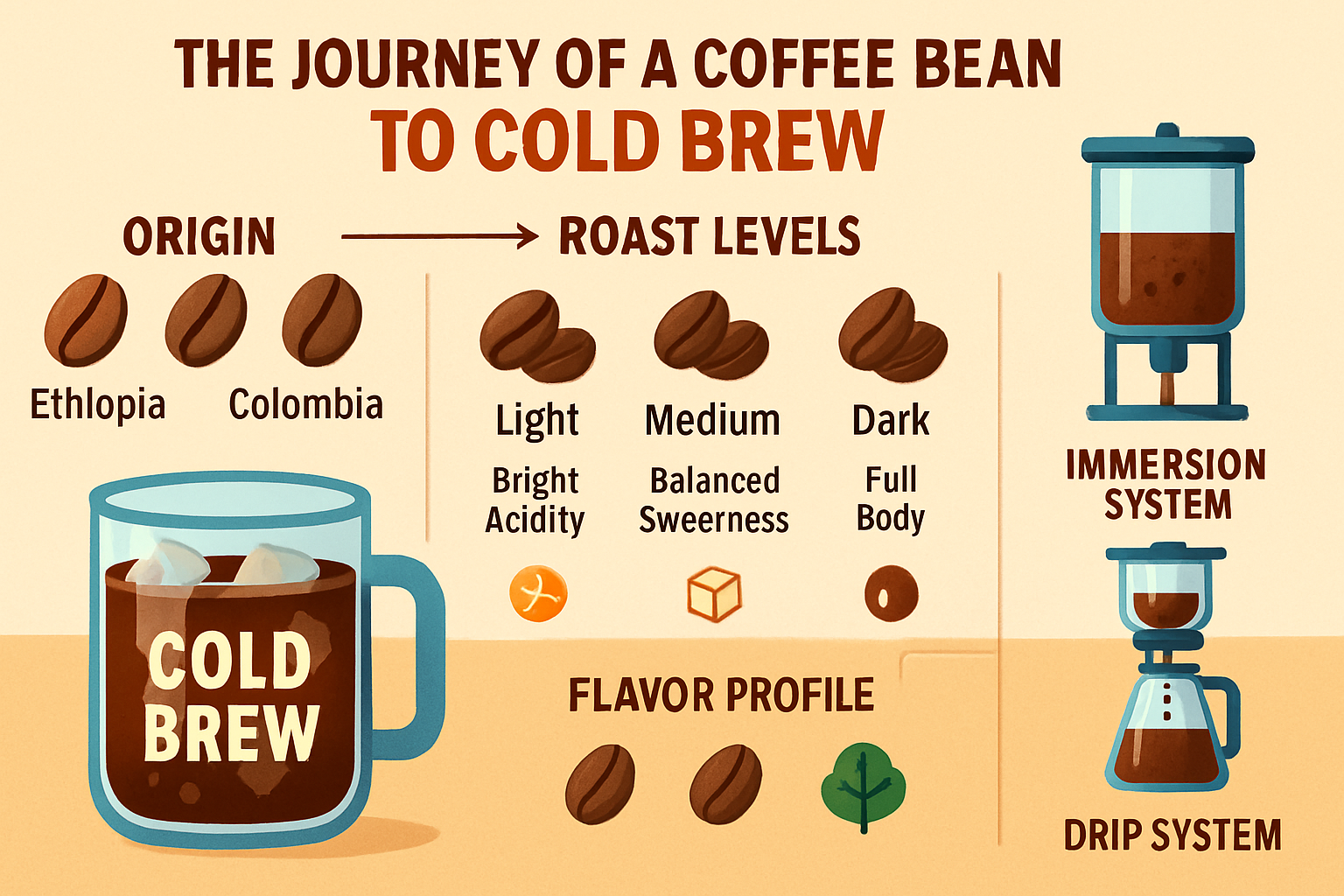
Cold brew is a unique brewing method where coffee grounds are steeped in cold or room-temperature water for an extended period, typically 12-24 hours. Unlike hot brewing, which uses heat to quickly extract compounds, cold brewing is a slower, gentler process. This method significantly reduces the extraction of acids, particularly quinic and chlorogenic acids, which are responsible for much of coffee’s bitterness and perceived acidity [1].
The result is a coffee concentrate that is incredibly smooth, naturally sweet, and often boasts chocolatey, nutty, or caramel notes. This distinct extraction profile means that coffees that might be overly bitter or acidic when hot brewed can be transformed into delightful cold brews. Conversely, some highly complex, delicate light roasts, celebrated for their bright acidity and nuanced floral notes in hot brews, might lose their vibrancy or become somewhat muted when cold brewed. Therefore, choosing the best coffee for cold brew involves selecting beans whose inherent characteristics are amplified positively by this slow, cool steeping.
The Science Behind Cold Brew Flavor Extraction
When hot water meets coffee grounds, it rapidly dissolves a wide range of compounds, including oils, acids, and sugars. This quick extraction can sometimes lead to over-extraction of bitter compounds if not precisely controlled. Cold water, however, extracts compounds much more slowly and selectively. It tends to leave behind many of the acidic compounds that contribute to sourness or bitterness, while still effectively dissolving the sugars, fats, and aromatic compounds that give coffee its desirable flavor [2]. This slower, gentler process is why cold brew is renowned for its low acidity and smooth finish, making the choice of the starting bean even more critical.
Roast Level: A Crucial Factor for the Best Coffee for Cold Brew
The roast level of your coffee beans dramatically impacts their flavor profile and, consequently, how they perform as the best coffee for cold brew. While personal preference plays a significant role, certain roast levels tend to excel in this brewing method.
Medium to Dark Roasts: The Cold Brew Champions
Many cold brew enthusiasts gravitate towards medium to dark roasts. Here’s why:
- Medium Roasts: These beans are roasted long enough to develop a fuller body and deeper flavors, often showcasing notes of chocolate, caramel, and nuts, without the overt bitterness sometimes associated with very dark roasts. They retain some of the original bean’s characteristics while adding roast-derived sweetness. A medium roast can strike a perfect balance, offering complexity without harshness.
- Dark Roasts: Often characterized by bold, robust flavors, dark roasts excel in cold brew because the cold brewing process mitigates their natural bitterness. The dark roasting process caramelizes sugars more intensely, leading to prominent notes of dark chocolate, cocoa, and sometimes a smoky finish. These flavors translate beautifully into a rich, full-bodied cold brew that can stand up well to milk or sweeteners. Think of a rich, velvety chocolate dessert in liquid form – that’s often the magic of a dark roast cold brew.
“For cold brew, the sweet spot often lies in beans that have undergone sufficient caramelization during roasting. This means medium to dark roasts often develop the deep, sweet, chocolatey, and nutty notes that truly sing in a cold extraction.”
Light Roasts: A Niche, but Rewarding Choice
While less common, light roasts can also be used for cold brew, offering a different, often brighter experience.
- Light Roasts: These coffees are roasted just enough to highlight the bean’s origin characteristics, often featuring fruity, floral, and bright acidic notes. When cold brewed, some of these delicate nuances can be lost or become muted. However, a well-chosen light roast can produce a remarkably clean, crisp, and surprisingly sweet cold brew with unique fruity undertones. If you prefer a less traditional, more vibrant cold brew, experimenting with a high-quality light roast could be a delightful discovery. Just be aware that the bright acidity that defines many light roasts will be significantly reduced, so choose one known for inherent sweetness.
Coffee Bean Origins and Their Impact on Cold Brew
The geographical origin of your coffee beans is another critical factor influencing flavor and suitability for cold brew. Different regions produce beans with distinct flavor profiles, largely due to variations in climate, soil, altitude, and processing methods.
Latin American Coffees: Balanced and Sweet 🌎
Coffees from Latin America, particularly Brazil, Colombia, and Guatemala, are often top contenders for the best coffee for cold brew.
- Brazil: Brazilian coffees are frequently lauded for their low acidity, heavy body, and pronounced nutty and chocolatey notes. These characteristics translate exceptionally well to cold brew, yielding a smooth, sweet, and robust drink.
- Colombia: Colombian beans are known for their balanced flavor, medium body, and notes of caramel, chocolate, and sometimes citrus. They offer a versatile profile that produces a consistently excellent cold brew, often with a pleasant underlying sweetness.
- Guatemala: Guatemalan coffees can range from bright and fruity to chocolaty and nutty, depending on the region. Many offer a lovely balance of sweetness and a hint of spice, making for an intriguing cold brew.
Indonesian Coffees: Bold and Earthy 🌿
For those who appreciate a bolder, more robust cold brew, Indonesian coffees are an excellent choice.
- Sumatra: Sumatran coffees are famous for their unique earthy, woody, and sometimes spicy notes, coupled with a very heavy body and low acidity. These intense flavors are beautifully mellowed by cold brewing, resulting in a dark, rich, and remarkably smooth cold brew that stands out.
- Java: Similar to Sumatra, Java coffees often have a full body and notes of dark chocolate and sometimes a clean finish, making them suitable for a hearty cold brew.
African Coffees: Fruity and Complex (Use with Caution) 🌍
African coffees, especially from Ethiopia and Kenya, are renowned for their complex, bright, and often fruity or floral notes.
- Ethiopia: Ethiopian Yirgacheffe or Sidamo coffees, known for their vibrant berry, citrus, and floral notes, can create a surprisingly delicate and aromatic cold brew. However, their high acidity can sometimes lead to a less traditional cold brew profile. If you’re adventurous and seek a cold brew with a subtle, fruity complexity, a naturally processed Ethiopian bean could be the best coffee for cold brew for you, yielding a more tea-like, refreshing drink.
- Kenya: Kenyan coffees are typically very bright with blackcurrant or tomato-like notes. While exceptional in hot brew, their strong acidity may not always translate perfectly to everyone’s cold brew preference.
| Origin Region | Typical Flavor Notes | Roast Recommendation | Cold Brew Suitability |
|---|---|---|---|
| Brazil | Nutty, Chocolate, Caramel, Low Acidity | Medium to Dark | Excellent (Smooth, Sweet) |
| Colombia | Chocolate, Caramel, Balanced, Mild Citrus | Medium | Excellent (Versatile) |
| Sumatra | Earthy, Woody, Dark Chocolate, Low Acidity | Dark | Excellent (Bold, Rich) |
| Guatemala | Chocolate, Nutty, Sweet, sometimes Spice | Medium to Dark | Very Good (Balanced) |
| Ethiopia (Nat.) | Berry, Floral, Citrus (mellowed) | Light to Medium | Good (Unique, Fruity) |
| Kenya | Blackcurrant, Bright, Winey | Medium Light | Fair to Good (Niche) |
The Importance of Freshness and Grind for the Best Coffee for Cold Brew
Even with the perfect bean and roast, two factors can make or break your cold brew: freshness and grind size.
Freshness: The Cornerstone of Flavor ☕
Always start with freshly roasted whole beans. Coffee beans are at their peak flavor within 1-4 weeks of their roast date. As soon as coffee is roasted, it begins to degas and oxidize, slowly losing its volatile aromatic compounds. Pre-ground coffee loses its freshness much faster due to increased surface area exposure to oxygen.
When buying beans, look for a roast date, not just an expiry date. If you’re passionate about fresh coffee, you might even consider exploring different Coffee Brewing Control Chart Guide To Extraction to set up your own small-batch roasting blog or store! Using stale beans will result in a flat, lifeless cold brew, regardless of how “good” the bean once was.
Grind Size: Coarse and Consistent is Key!
The grind size is paramount for cold brewing. Unlike hot brewing, where a finer grind allows for quick extraction, cold brew requires a very coarse, consistent grind. Think of rock salt or breadcrumbs – that’s the ideal texture.
- Why Coarse? A coarse grind prevents over-extraction. With an extended steep time (12-24 hours), a fine grind would over-extract bitter compounds, leading to a muddy, harsh cold brew. It also makes filtration much easier, preventing sediment in your final product.
- Why Consistent? An inconsistent grind, with a mix of coarse and fine particles, leads to uneven extraction. The fine particles will over-extract while the coarse ones might under-extract, resulting in an unbalanced flavor.
A good burr grinder is an essential tool for achieving the perfect coarse and consistent grind. Blade grinders “chop” beans unevenly, creating a mix of fine and coarse particles, which is detrimental to cold brew quality.
Brewing Methods and Their Influence on Coffee Choice
While this article focuses on the best coffee for cold brew, it’s worth briefly touching on how different cold brew methods might slightly influence your bean choice or highlight certain characteristics. The two primary methods are immersion and slow-drip (Kyoto style).
- Immersion Cold Brew: This is the most common and easiest method, where coffee grounds are fully submerged in water for the entire steep time. Most of the recommendations in this article are optimized for immersion cold brew. It typically produces a full-bodied, rich concentrate.
- Slow-Drip Cold Brew (Kyoto Style): This method involves slowly dripping cold water over coffee grounds, allowing gravity to pull the water through. This process can highlight more delicate notes and often produces a cleaner, brighter cold brew than immersion. If you’re using this method, you might be able to get away with slightly lighter roasts or more delicate single-origin beans, as the extraction is even gentler and more controlled.
Regardless of your method, consistency in your chosen bean, grind, and water quality will always lead to a superior result.
Top Recommendations for the Best Coffee for Cold Brew in 2025
Based on the principles discussed, here are some top recommendations for finding the best coffee for cold brew this year:
- Brazil Santos (Medium/Dark Roast): A perennial favorite for cold brew. Expect notes of roasted nuts, milk chocolate, and caramel with a heavy body and very low acidity. It’s incredibly smooth and versatile.
- Colombian Supremo (Medium Roast): Offers a beautifully balanced cold brew with classic chocolate, nutty, and sweet caramel notes. It’s a crowd-pleaser that rarely disappoints.
- Sumatra Mandheling (Dark Roast): If you love a bold, earthy, and exceptionally smooth cold brew with hints of dark chocolate and sometimes a touch of spice, Sumatra is your go-to.
- Guatemala Antigua (Medium-Dark Roast): Provides a more complex cold brew with notes of cocoa, brown sugar, and a subtle bright finish. It’s a great option for those seeking depth without excessive boldness.
- A Quality Cold Brew Blend: Many roasters offer specific “cold brew blends” designed to perform optimally in cold extractions. These blends often combine beans from different origins to achieve a balanced profile of sweetness, body, and low acidity. It’s a safe bet for consistently excellent results.
Consider supporting local roasters! Many small businesses focus on quality and often have excellent single-origin options or custom blends ideal for cold brew. Exploring new options can be a fun adventure, much like BeanStocks: New Zealand’s Premier Brokers for Financial Percolation.
Common Mistakes to Avoid When Making Cold Brew
Even with the best coffee for cold brew, certain pitfalls can derail your efforts. Being aware of these can help you avoid disappointment.
- Using Too Fine a Grind: As discussed, a fine grind leads to over-extraction and a muddy, bitter result. Always aim for a coarse, consistent grind.
- Not Enough Steep Time (or Too Much): While 12-24 hours is a general guideline, some beans or preferences might require slight adjustments. Under-steeping can result in a weak, watery cold brew, while over-steeping (especially past 24 hours with certain beans) can sometimes introduce unwanted bitterness. Experiment within the recommended window.
- Using Low-Quality Water: Coffee is over 98% water. If your tap water tastes bad, your cold brew will too. Use filtered water for the cleanest, best-tasting results.
- Ignoring the Coffee-to-Water Ratio: A common ratio for cold brew concentrate is 1:4 (1 part coffee to 4 parts water by weight). Deviating too much can lead to weak or overly strong concentrates. Find a ratio that works for your taste and bean choice.
- Not Storing Cold Brew Properly: Once brewed, cold brew concentrate should be stored in an airtight container in the refrigerator and is best consumed within 7-10 days for optimal freshness.
The Story of a Perfect Cold Brew Morning 🌅
Let’s imagine it’s a bustling Tuesday morning in June 2025. The sun is already warm through the kitchen window. Sarah, a marketing professional who swears by the power of a good morning routine, walks to her fridge. Inside, a beautiful glass carafe holds the amber liquid she lovingly prepared yesterday evening. She’d chosen a medium-dark roasted Brazilian bean, ground coarsely with her trusty burr grinder, and steeped for 16 hours.
As she pours the concentrate over ice, a rich aroma of chocolate and toasted nuts fills the air. She adds a splash of oat milk, stirring gently. The first sip is pure bliss: smooth, velvety, naturally sweet, with no trace of bitterness. This perfect cup isn’t just a drink; it’s a testament to patience, attention to detail, and knowing precisely what constitutes the best coffee for cold brew. It’s the fuel that helps her strategize her digital campaigns, manage her team, and even delve into advanced topics like Lavazza Super Crema Whole Bean Coffee Blend for her clients. This morning ritual, powered by an exceptional cold brew, sets the tone for a productive and enjoyable day.
Conclusion: Crafting Your Perfect Cold Brew in 2025
The quest for the best coffee for cold brew is a delightful journey of exploration and taste. While preferences are subjective, understanding the fundamental principles of roast level, origin, freshness, and grind size will significantly elevate your cold brew game in 2025 and beyond. Generally, opting for medium to dark roasts from regions like Brazil, Colombia, or Sumatra will give you a fantastic starting point for a smooth, low-acid, and richly flavored cold brew.
Don’t be afraid to experiment, keep notes on what you like, and most importantly, enjoy the process. A truly great cup of cold brew is a testament to quality ingredients and careful preparation.
Actionable Next Steps:
- Invest in Quality Beans: Prioritize freshly roasted whole beans, checking for a roast date within the last 1-4 weeks.
- Get a Burr Grinder: If you don’t have one, consider investing in a good quality burr grinder for a consistent coarse grind.
- Experiment with Roasts & Origins: Start with a recommended medium-dark roast from Brazil or Colombia, then explore Sumatra for boldness or even a delicate Ethiopian for fruity notes.
- Perfect Your Ratio & Steep Time: Stick to a 1:4 coffee-to-water ratio by weight and steep between 12-24 hours. Adjust slightly based on taste.
- Use Filtered Water: This simple step makes a huge difference in taste.
- Store Properly: Keep your cold brew concentrate refrigerated in an airtight container for maximum freshness.
Happy brewing!
References
[1] R. Fuller, J. M. Rao, and M. T. R. Rao, “Chemical and physical changes in coffee as a result of roasting,” International Journal of Food Science & Technology, vol. 54, no. 12, pp. 3060–3067, 2019.
[2] T. P. J. K. Maheswari, P. A. Devi, R. M. Priyadharshini, and S. Jayapriya, “A Review on Cold Brew Coffee Processing Techniques and Their Health Benefits,” International Journal of Research in Pharmacy and Pharmaceutical Sciences, vol. 6, no. 2, pp. 119–122, 2021.
Discover more from 101 Amazing Coffee
Subscribe to get the latest posts sent to your email.

